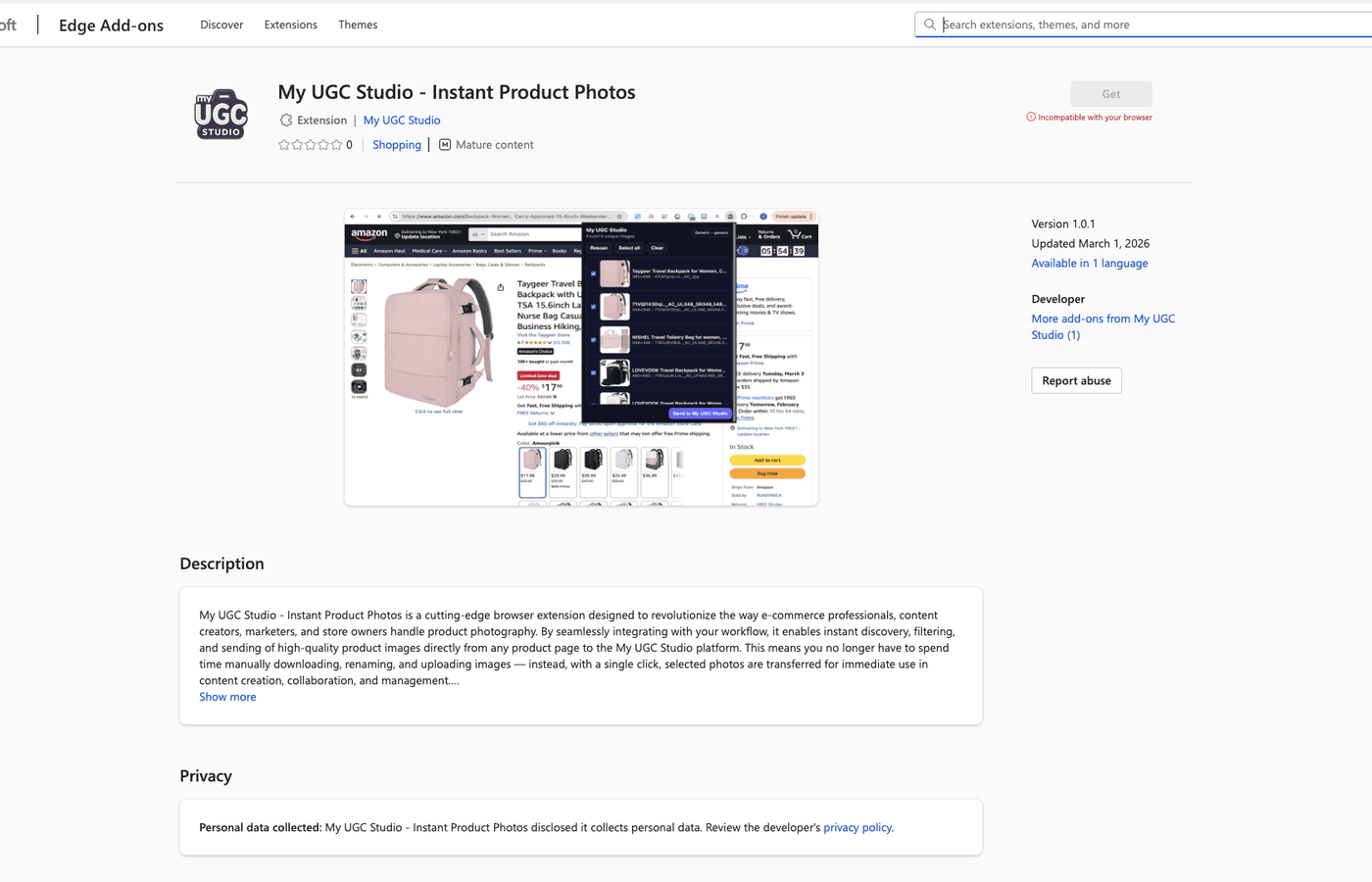
Architecture visual
Team needed faster repetitive actions across tools.
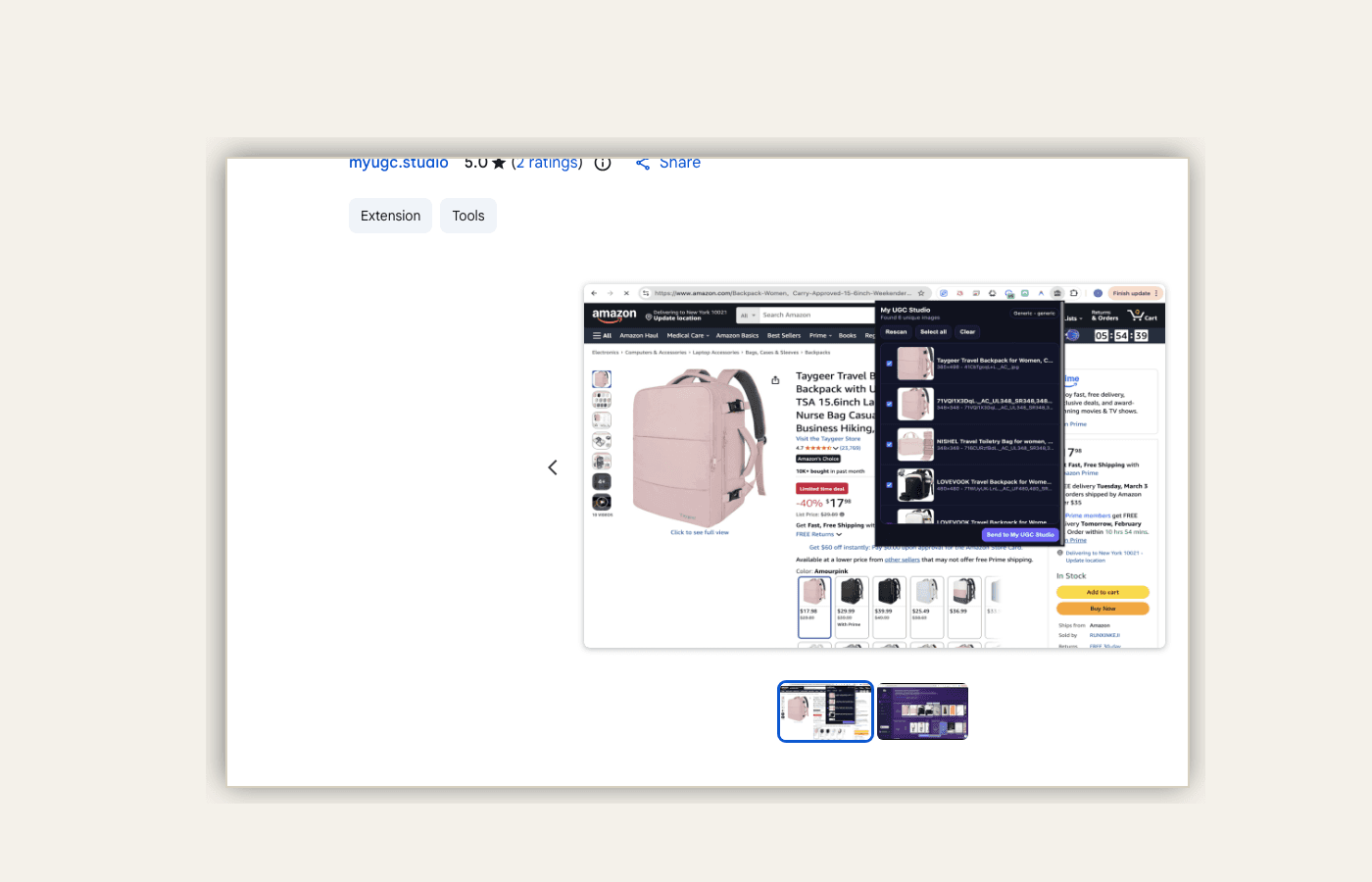
Team needed faster repetitive actions across tools.
Operators performed repetitive cross-tool actions hundreds of times per week.
Small frictions multiplied into significant coordination and execution costs.
The broader context for Browser extension for operations was delivery pressure under real business constraints. The team needed an implementation path that could ship without creating new operational debt. That meant sequencing architecture decisions before committing to feature scale, clarifying ownership of critical workflow states, and defining acceptance criteria that reflected business outcomes rather than purely technical completion.
A key part of the context was execution discipline. Instead of starting with a large rebuild scope, the strategy focused on one stable critical path, then expanding from a verified foundation. This prevented the common pattern where teams move fast at the beginning but slow down dramatically when unstructured decisions accumulate and break reliability.
Context switching and repetitive manual clicks.
No standardized shortcuts existed for common actions, so process speed varied by person.
Data transfer between tools was manual and error-prone, especially under time pressure.
The practical problem was not only missing functionality. It was system behavior under realistic load: inconsistency, hidden coupling, and low confidence in releases. These issues usually appear when process logic is spread across too many layers and no single team member can explain end-to-end execution with certainty.
For a product development context, this creates direct cost: slower iteration, repeated regressions, and higher coordination overhead. The project required a problem definition that included architecture, operations, and quality control together. Without that framing, any isolated fix would have stayed temporary.
Built extension with predefined action macros and data helpers.
I shipped a browser extension with workflow macros, context helpers, and secure API bridge endpoints.
The extension focused on reducing clicks and preserving context during repetitive high-frequency tasks.
Architecture work centered on boundaries: what belongs in the interface, what belongs in business logic, and where automation should remain assistive instead of authoritative. This separation made behavior predictable and easier to test, while preserving enough flexibility for future growth without structural rewrites.
The design also prioritized maintainability by reducing hidden dependencies and introducing explicit contracts between modules. In practice, this meant fewer side effects, clearer fallbacks, and better recovery paths when edge cases appeared. The result was an architecture that operators and developers could both reason about quickly.
Manifest V3 extension + secure API bridge.
Action packs were defined from real operator traces, then refined through short iteration cycles.
Permissions and security boundaries were tightened early to keep enterprise deployment options open.
Implementation moved through controlled milestones with measurable gates. Each stage had objective checks for correctness, performance, and workflow reliability before expansion. This approach reduced uncertainty and created clear visibility for stakeholders who needed confidence in both timeline and quality.
Operational instrumentation was included during delivery, not after launch. That allowed the team to detect bottlenecks, understand exception patterns, and improve decision speed while changes were still cheap. The implementation process therefore produced both a working system and a feedback loop for continuous improvement.
Reduced repetitive operator effort in daily workflows.
Execution became faster and more consistent across the team.
The extension reduced repetitive effort and improved task accuracy in daily operations.
Results were evaluated across technical and operational metrics: stability, cycle time, and maintainability. The build improved consistency of high-impact workflows and reduced friction in day-to-day execution. Teams could ship with fewer regressions and spend less time on reactive support.
Just as important, the project improved decision quality. When system state became clearer and architecture boundaries were explicit, prioritization became faster and more objective. This is where case results compound over time: fewer firefights, cleaner iteration, and stronger alignment between product intent and delivery reality.
We skipped low-frequency automation ideas to keep the extension focused and maintainable.
The first release prioritized reliability and operator trust over broad but unstable feature scope.
One clear lesson is that architecture decisions should be tied to operational outcomes, not abstract preferences. Teams move faster when they can connect technical choices to reliability, maintainability, and execution speed in real business conditions.
Another lesson is sequencing: stabilize one core path first, then extend. Projects that skip this discipline often look faster for a short period but become harder to change later. Sustainable momentum comes from controlled architecture and practical release gates, not from maximal initial scope.
TypeScript, Chrome Extension, REST API