Product Development Around One Verifiable Working Loop
Turn the product ideainto a working release.
YAS turns a product or internal-tool idea into a bounded workflow, data model, interface and release path before expanding the scope.
Selected products
The work makes it concrete.
A selection from my public portfolio: different industries, connected by the same approach to practical software.
01 / SaaS
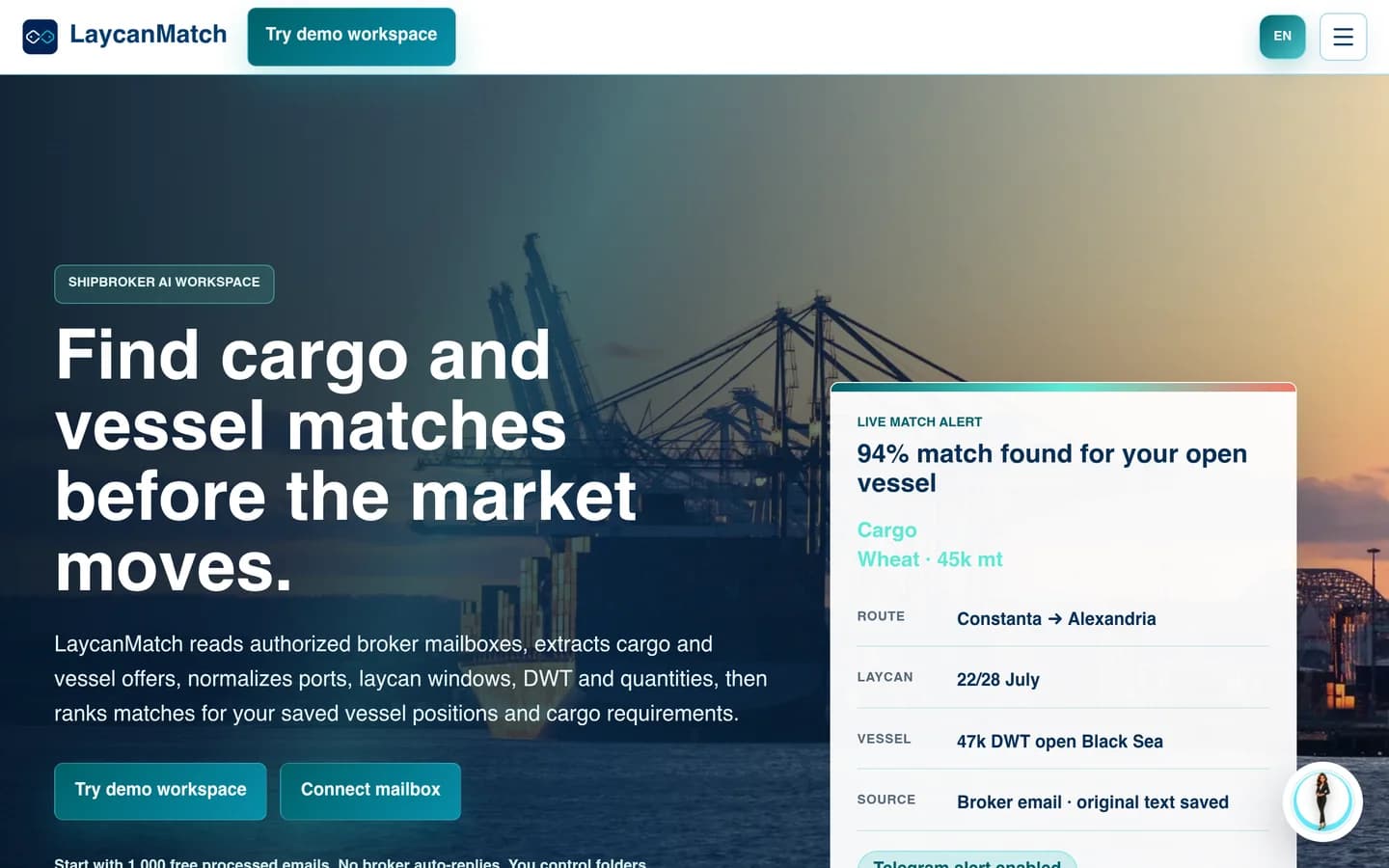
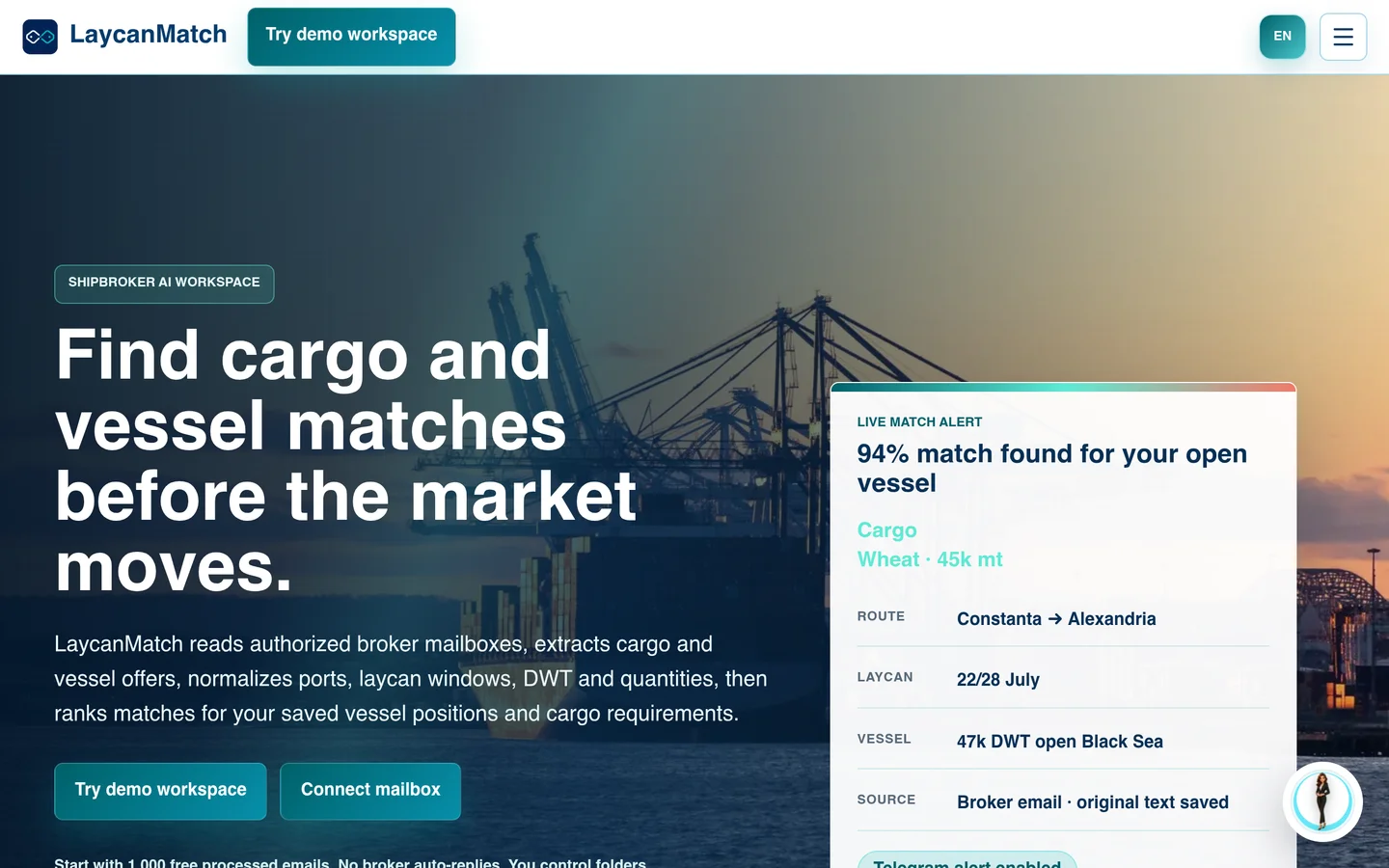
LaycanMatch
Turns broker emails into reviewable cargo and vessel records, then ranks possible matches for shipbrokers.
- Built for
- Shipbrokers and maritime professionals.
02 / ID scanning app
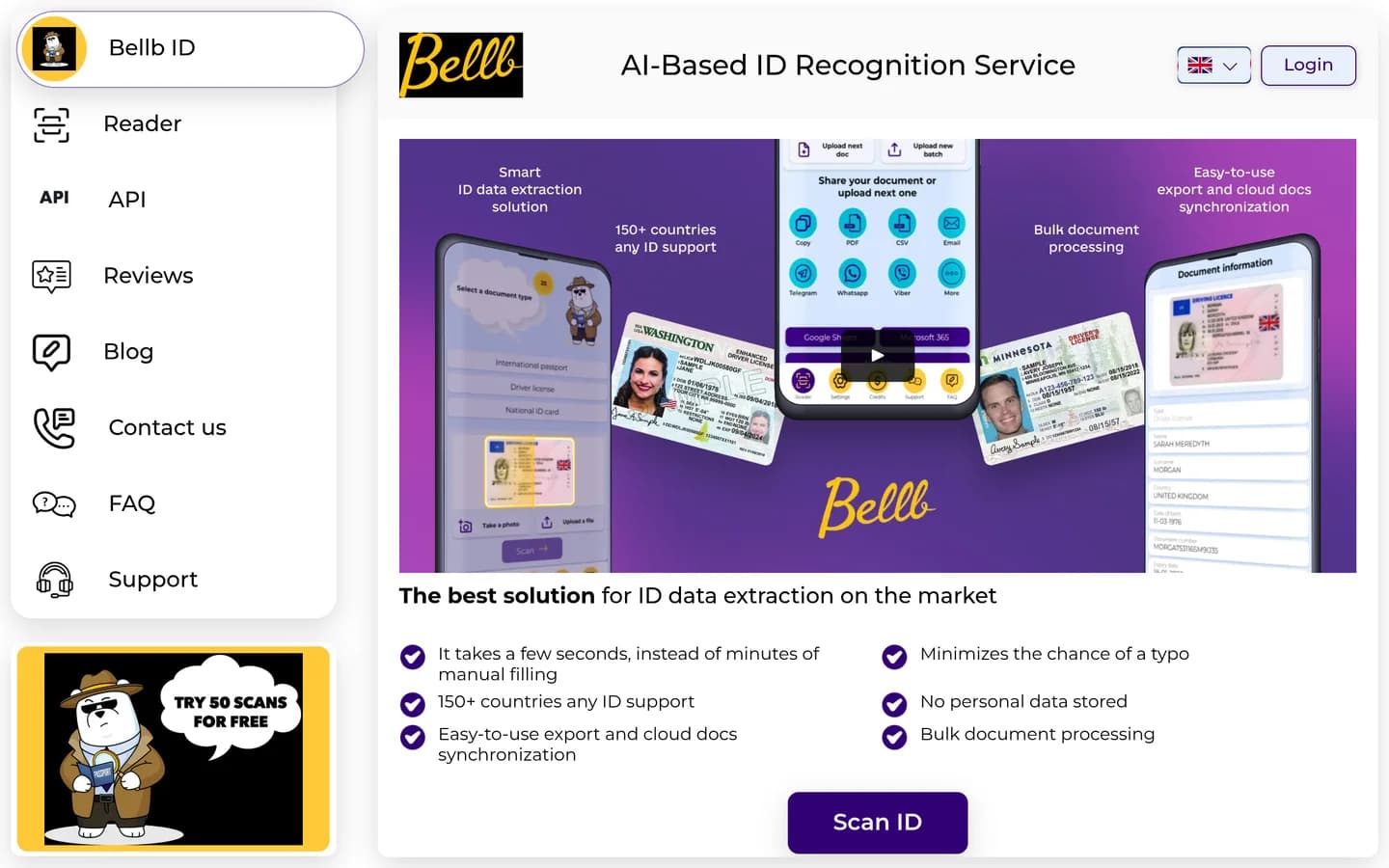
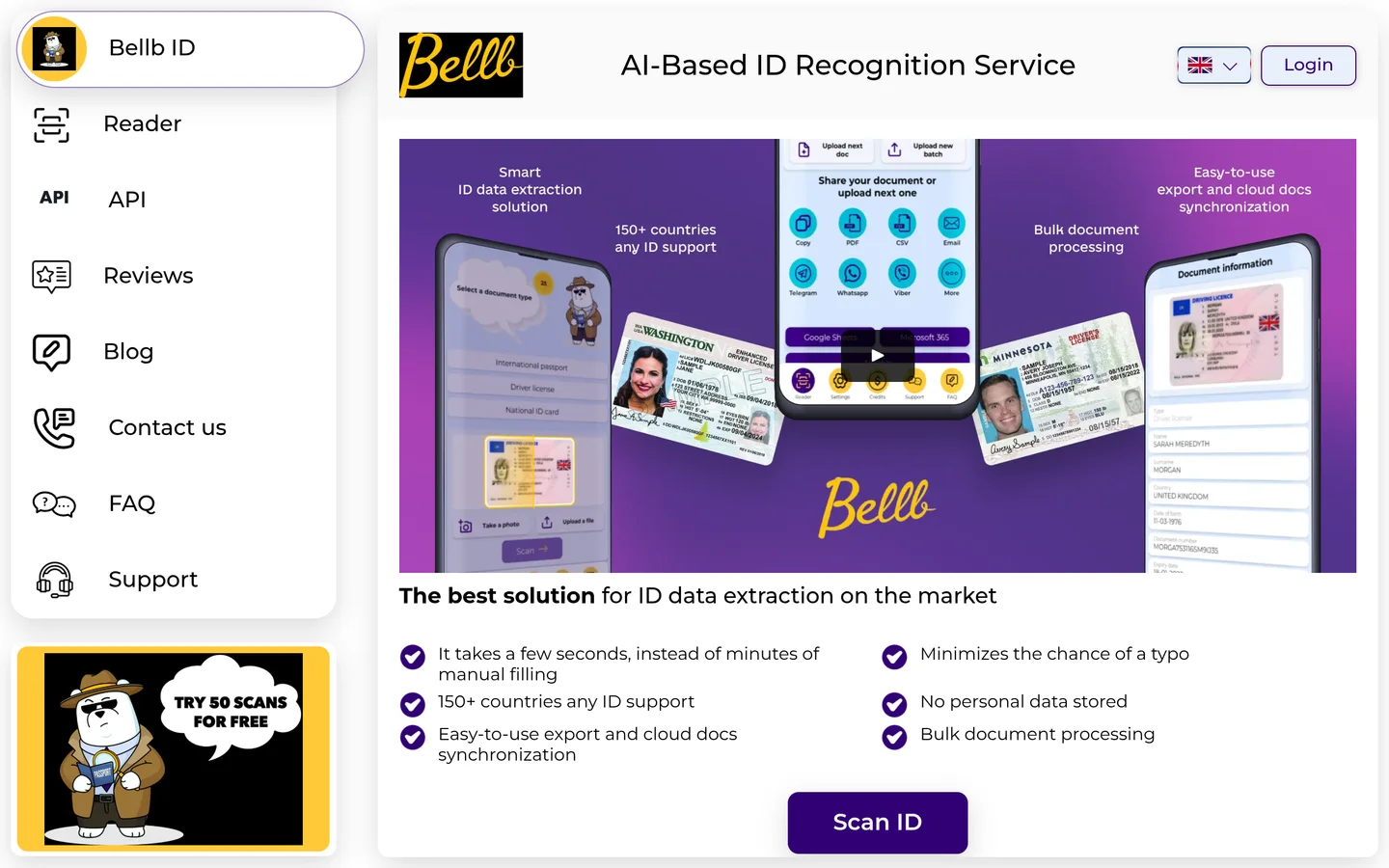
Bellb ID
Scans passports, ID cards and driving licences to extract document details for reuse or sharing.
- Built for
- People and teams that need to capture details from identity documents.
YAS builds digital products and internal tools around one verifiable working loop. Before expanding the feature list, the work defines the user, input, state, decision, exception and output. The first release is useful only when someone can complete the core task and the team can see where it succeeds, fails or needs a product decision.
YAS Web Studio
turns this operating logic into working software. Explore what we build, the workflow library and the system architecture.

Start with the working loop
Many product initiatives stall because the scope is too wide to validate. YAS focuses on one end-to-end loop first. This requires identifying the single critical transaction the software must perform. Whether the transaction processes an order or routes a dispatch, as an illustrative scenario, YAS isolates this transaction and builds the minimum infrastructure required to execute it.
Focusing on a single loop removes secondary features like complex settings or aesthetic dashboards from the initial scope. The work defines the exact user, the input, the state changes, the system decisions, the exceptions, and the final output. This structure allows the deployment of a working piece of software, providing a real tool to test in production.
- Isolate the single transaction that justifies the development budget.
- Map the path from initial user input to final system output.
- Build only the code necessary to make this single loop repeatable.
Architecture follows the operating model
Software must mirror how a business operates. YAS designs technical architecture around real-world workflows, establishing an explicit source of truth for data. This matches the state transitions inside the application with the operational steps a team takes.
Whether building web applications, internal tools, portals, SaaS products, browser extensions, or mobile application surfaces, the data model remains structured around the core workflow. Avoiding early abstractions keeps the codebase adaptable when the operating model changes.

What belongs in the first release
The first release of a product requires bounded interfaces. It does not need to solve every edge case, but it must be operational for the core loop. YAS prioritizes observable release and triage mechanisms over visual polish. This means building monitoring into the first release to show where the system succeeds, where it fails, and where a human operator must make a decision.
Launching with a bounded interface provides operational feedback. It reveals how users interact with the core loop and where bottlenecks lie. Real-world usage data replaces hypothetical feature lists.
Evidence from working YAS products
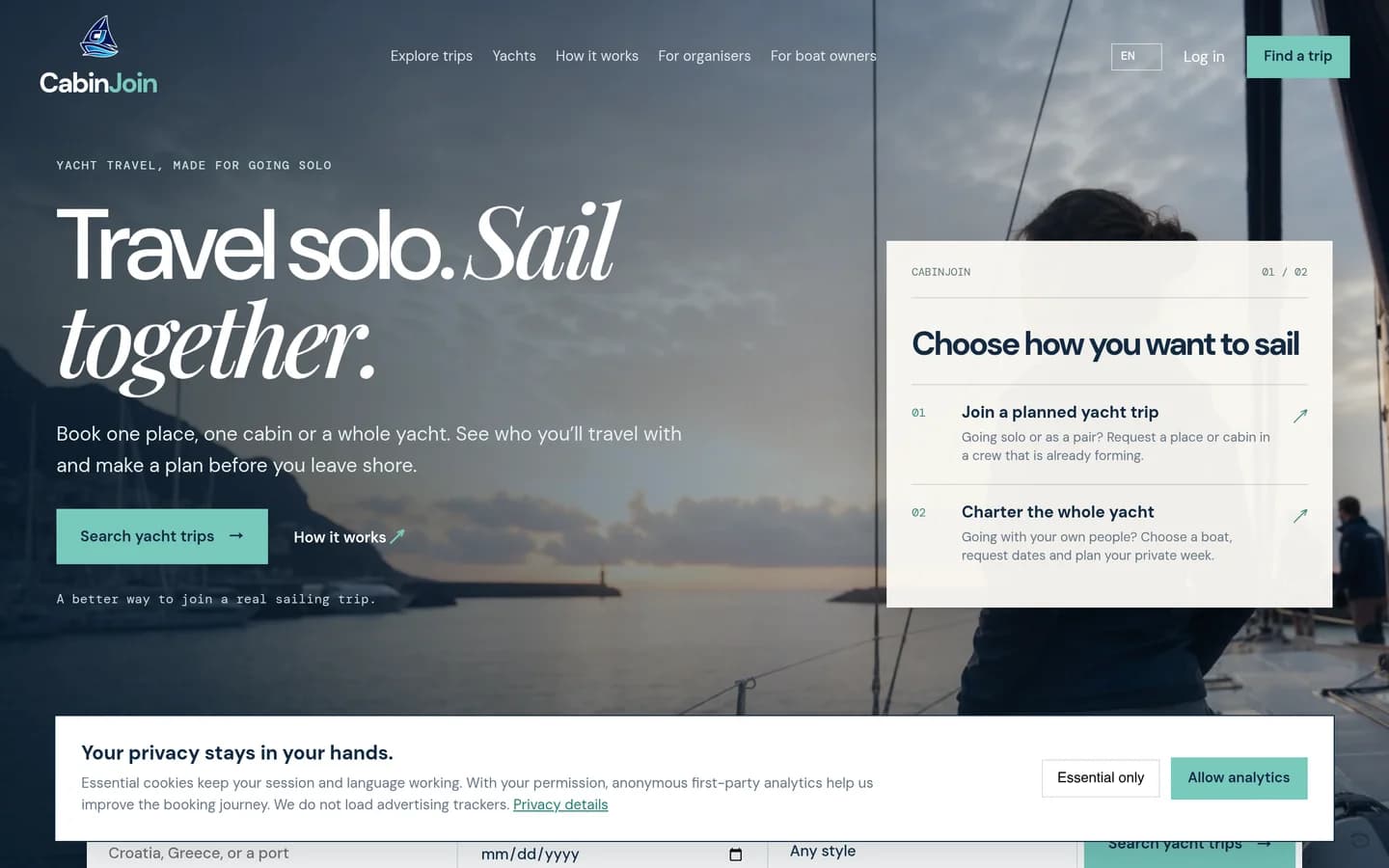
My UGC Studio, BellB, SoloCruz, Georivo, and Blog Core are public evidence that I ship working software across different product surfaces. They are not presented here as proof of one identical development sequence or of a client outcome.
The product pages and live interfaces are the evidence to inspect. The specific source of truth, release path, and operating constraints must be verified separately for every new build.

Limitations and suitability
This development approach is not suitable for every project. It requires a willingness to launch simple, highly focused tools and iterate based on operational feedback. If an organization requires a multi-feature platform before any user interaction occurs, this loop-first approach will not align with internal processes.
Writing code does not produce market validation, nor does it guarantee product-market fit. Those outcomes depend on market demand, distribution, and operational execution. YAS does not offer unlimited scope and does not build features without a clear connection to the core working loop. The method is designed to limit technical risk and control scope, but it does not replace finding and serving a market.
A practical starting point
A practical starting point is to look at current operations and identify the primary bottleneck. YAS works with founders and operators to isolate this bottleneck and define it as a single loop. From there, the work maps the minimal data model and interface required to resolve it.
Starting small and focusing on a verifiable outcome addresses upfront capital risk. Once the first loop is active in production, operators can make decisions about how to expand the scope and build additional features based on real usage.
| Development Phase | Traditional Approach | YAS Loop-First Approach |
|---|---|---|
| Scope Definition | Extensive feature lists and long-term roadmaps before coding. | One core transaction with defined inputs, states, and outputs. |
| Risk Mitigation | Assumes all planned features are necessary and correct. | Validates the primary technical and operational loop first. |
| First Release | A complex, multi-feature launch that is often delayed. | A simple, highly focused tool designed for observation and triage. |
| Feedback Loop | Delayed until the entire platform is completed. | Based on real-world usage of the core loop. |
Steps to Define Your Core Working Loop
- Identify the single actor and the core action that justifies the tool's existence.
- Map the minimal inputs, state changes, and outputs required to complete that action.
- Build the bounded interface needed to run the loop and observe where it requires a decision.
A product is useful only when someone can complete the core task and the team can see where it succeeds, fails, or needs a decision.
FAQ
Why start with only one loop instead of a full feature list?
Starting with one loop forces the definition of the core data model, state transitions, and integration points before investing capital into secondary features like user settings or complex reporting.
Does this approach guarantee a product will find market validation?
No. Writing code does not produce market validation or guarantee product-market fit. Those require real users engaging with the product in actual workflows. The loop-first method is designed to limit technical risk and control scope, allowing the team to see where the system succeeds or fails.
What types of products can be built using this method?
YAS applies this methodology to web applications, internal tools, portals, SaaS products, browser extensions, and mobile application surfaces.
What are you trying to make work?
Bring the workflow, the bottleneck or the product idea. We can start with what exists and define the next useful version.