YAS / HOW I WORK
From the real problemto a working system.
The YAS method moves from public evidence and business constraints to an operating model, bounded workflow and appropriate implementation surface.


Five stages. One working handoff.
Each stage answers a different question. The next step follows from what we can verify, not from a preferred tool or platform.
Observe before diagnosing
Operational friction is rarely a software problem at its core. When systems slow down, operators often buy new SaaS tools or commission custom builds based on assumptions. The YAS method halts this cycle to observe the system as it exists. I separate verifiable public evidence from internal assumptions to diagnose the operational reality.
Observing first prevents acting on unverified assumptions. By gathering objective data on how information and inventory move, I map the system before proposing technical changes. This phase focuses on current boundaries, not tool selection.
Name the blocked decision
Every system bottleneck manifests as a blocked decision. For illustrative purposes, this might be a warehouse manager unable to route an order or a marketing team unsure of real-time stock levels. The core issue is that an actor lacks the information required to take the next step.
I isolate and name this blocked decision. By focusing on the exact point where the workflow stalls, I avoid broad, vague goals. I identify what specific decision is stuck, who is responsible for making it, and what data they need to proceed.
LaycanMatch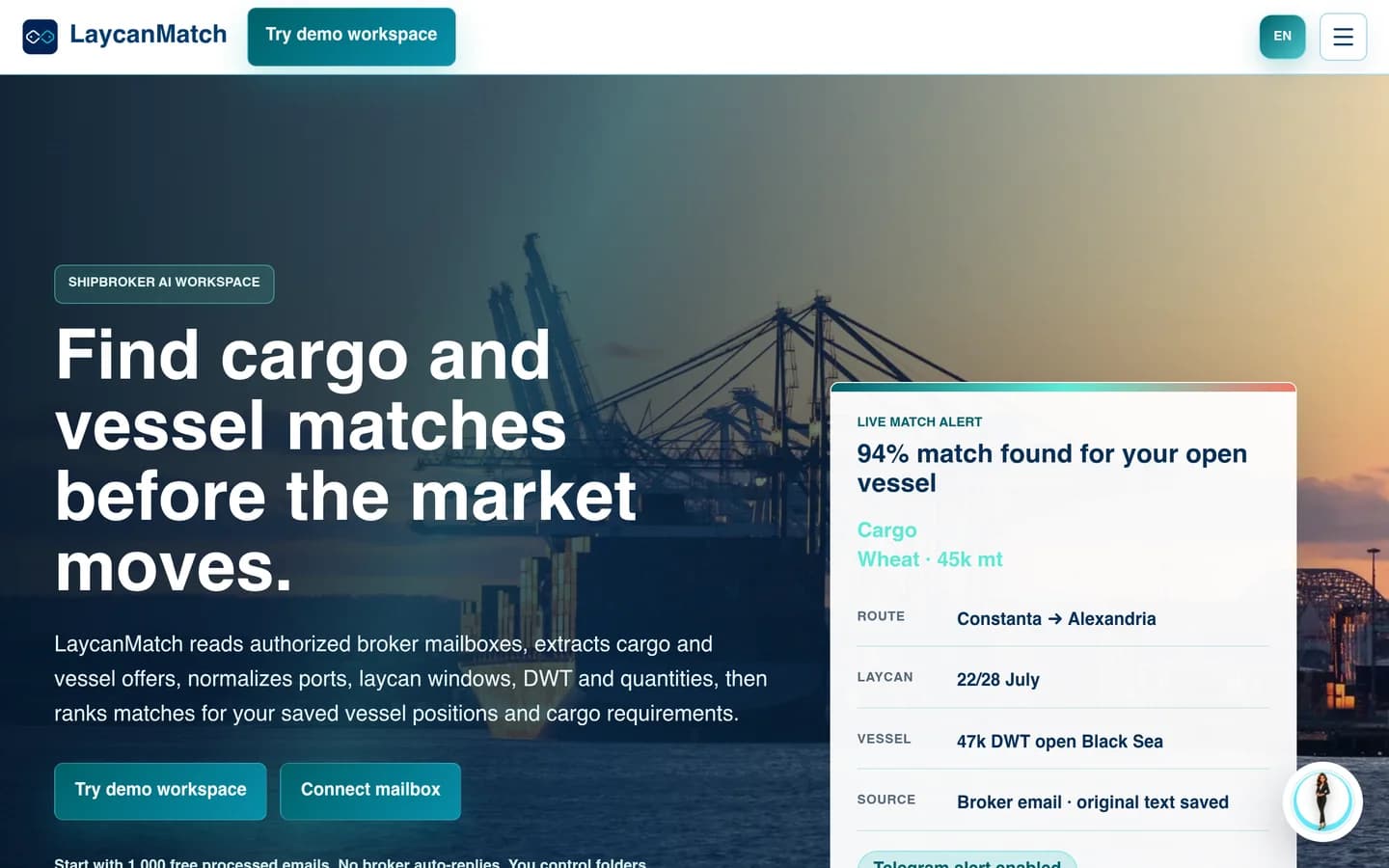
PUBLIC PRODUCT EXAMPLE / LaycanMatch
From scattered offers to a usable comparison.
LaycanMatch brings cargo and vessel offers from email into a structured matching workspace. A concrete example of connecting incoming information to the next decision.
- Email offers
- Structured data
- Match review
Map the operating state
Once the blocked decision is identified, I map the current operating state and establish ownership. I trace the flow of data across existing tools, spreadsheets, and manual processes, documenting who owns each stage and where handoffs occur.
Mapping the state reveals gaps between how a process is supposed to work and how it actually functions. It identifies redundant steps, manual workarounds, and poorly defined ownership, aligning future interventions with the existing structure.
Choose the smallest intervention
My core decision rule is to choose the smallest intervention that changes the blocked decision or handoff. I do not default to custom software or platform migrations. If a workflow adjustment or native Shopify configuration unblocks the decision, I use it.
When software is necessary, I target the exact point of friction. This might mean setting up an automation, using native Shopify logic, or building a lightweight internal tool. Keeping the intervention small minimizes technical debt and reduces implementation risk.
Bellb ID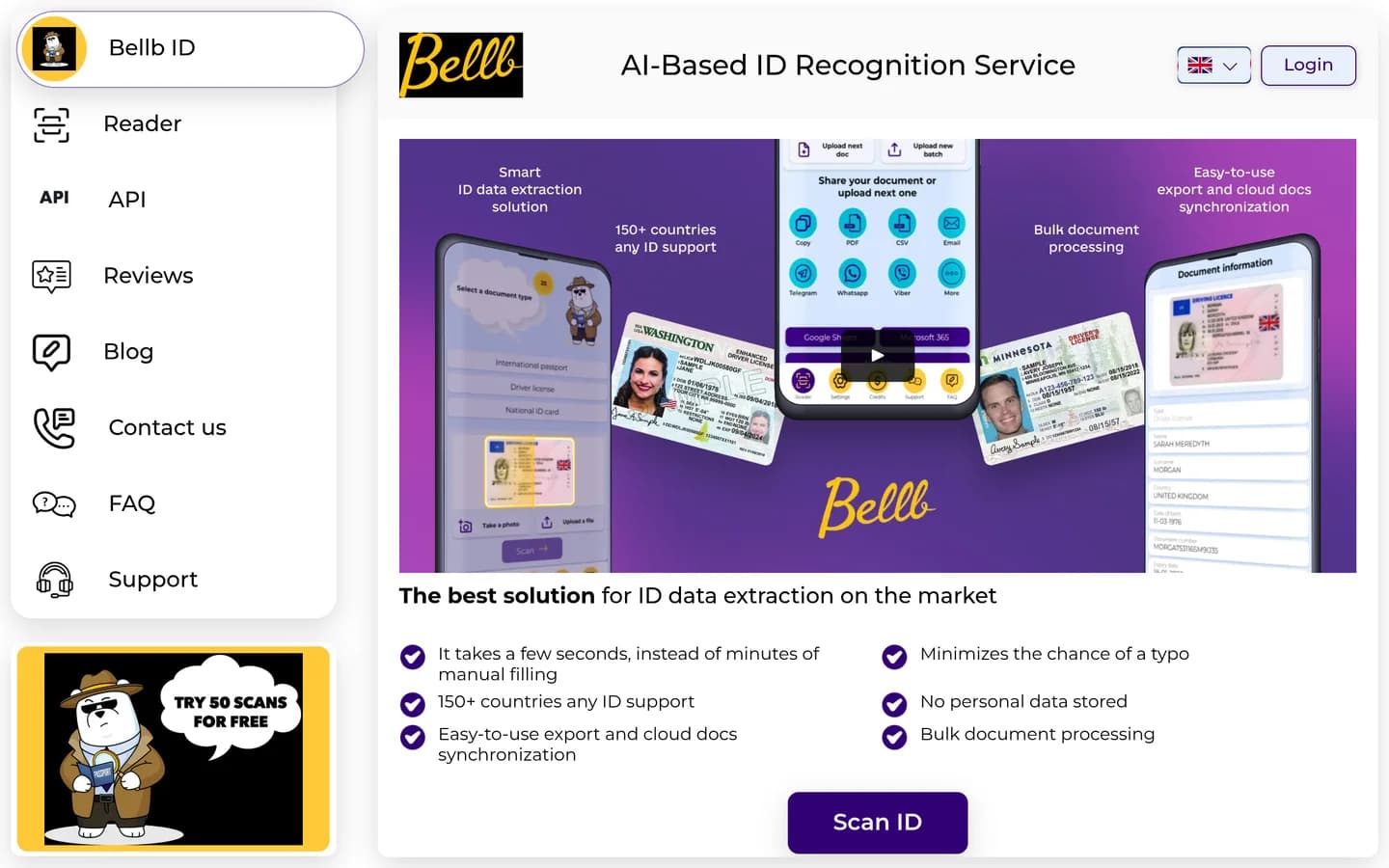
PUBLIC PRODUCT EXAMPLE / Bellb ID
A clear input. A useful output.
Bellb ID connects document reading, extracted fields and export options in one product. The visible interface makes the handoff between those steps easier to understand.
- Document
- Extracted fields
- Export
Verify the handoff
An intervention is only complete when the handoff is verified under real operational conditions. I do not consider a project complete because code is deployed or a workflow is documented. I monitor the handoff to verify that data flows and the blocked decision is resolved.
Verification requires setting clear operational baselines and checking them against actual performance. This step verifies that changes remain stable under operational load and that the team can execute the handoff.
Where this approach fits
Limitations and suitability
The YAS method is for operators who value precision over rapid, unverified software deployment. It requires active client participation to map workflows and verify handoffs. It is not suitable for organizations seeking instant software recommendations without diagnostic work.
I must state clearly that public evidence does not fully reveal private operations; deep internal mapping is always required. Additionally, not every business constraint needs a software solution, and this method does not guarantee a specific business outcome, as success depends heavily on organizational execution and market conditions.
Before we start
Why do you start with observation instead of selecting tools?
I start with observation because selecting software before understanding the bottleneck leads to expensive, unused systems. I isolate verifiable facts from assumptions first.
Does every business constraint require a software build?
No. Many operational bottlenecks are solved by modifying workflows, clarifying team ownership, or adjusting native Shopify logic without writing new code.
How do you verify that an intervention actually worked?
I verify the intervention by testing the specific handoff under real operational load, verifying that the previously blocked decision now flows.
Go deeper where it matters.
Research, system design and implementation are connected parts of the work. Explore the part relevant to your current constraint.
What are you trying to make work?
Bring the workflow, the bottleneck or the product idea. We can start with what exists and define the next useful version.