Public-Signal Research Before a Private Business Diagnosis
Understand the business.Then choose what to build.
YAS public research checks visible website, search, AI, trust, speed, content and conversion signals without claiming access to internal operations.
Selected products
The work makes it concrete.
A selection from my public portfolio: different industries, connected by the same approach to practical software.
01 / SaaS
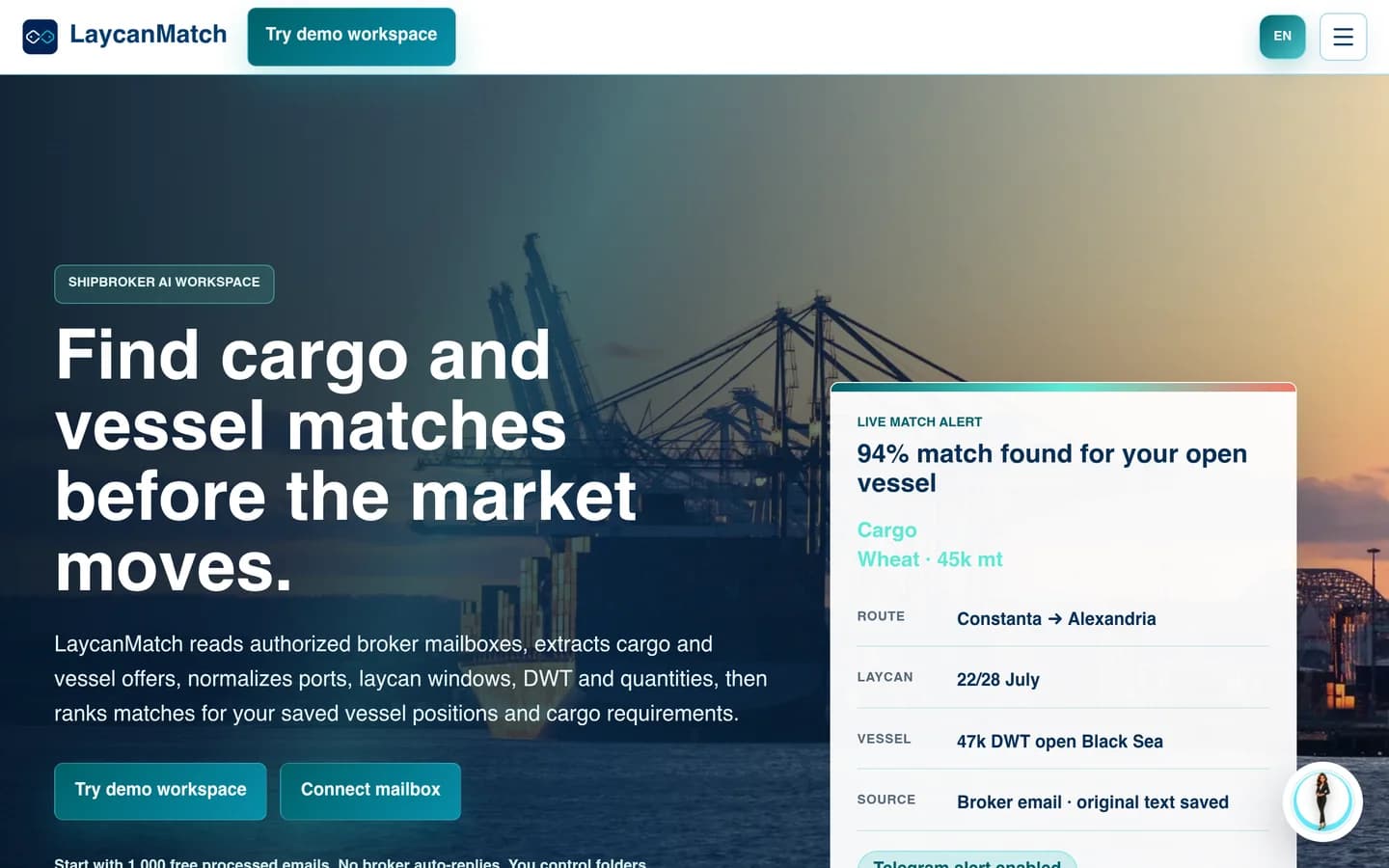
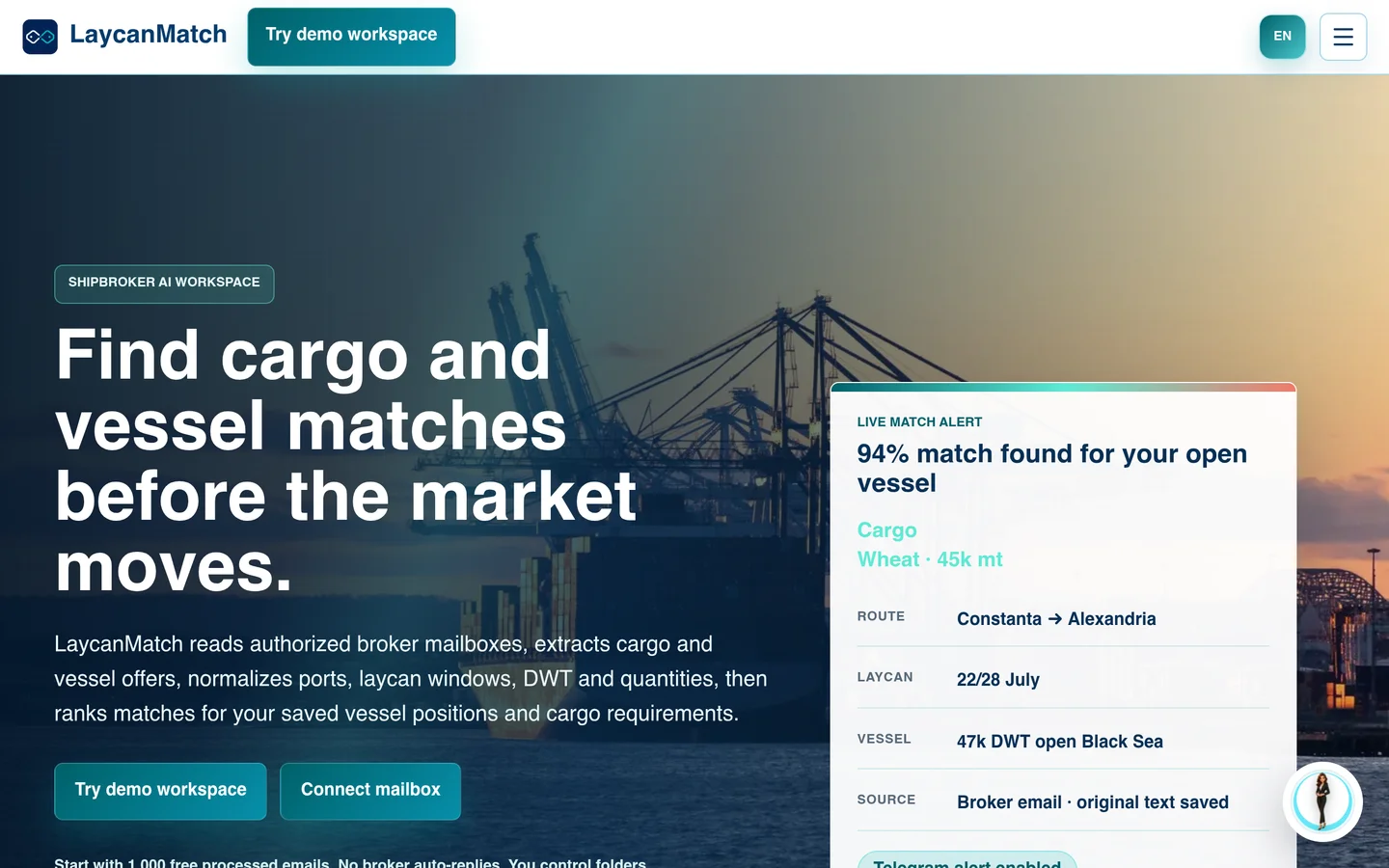
LaycanMatch
Turns broker emails into reviewable cargo and vessel records, then ranks possible matches for shipbrokers.
- Built for
- Shipbrokers and maritime professionals.
02 / ID scanning app
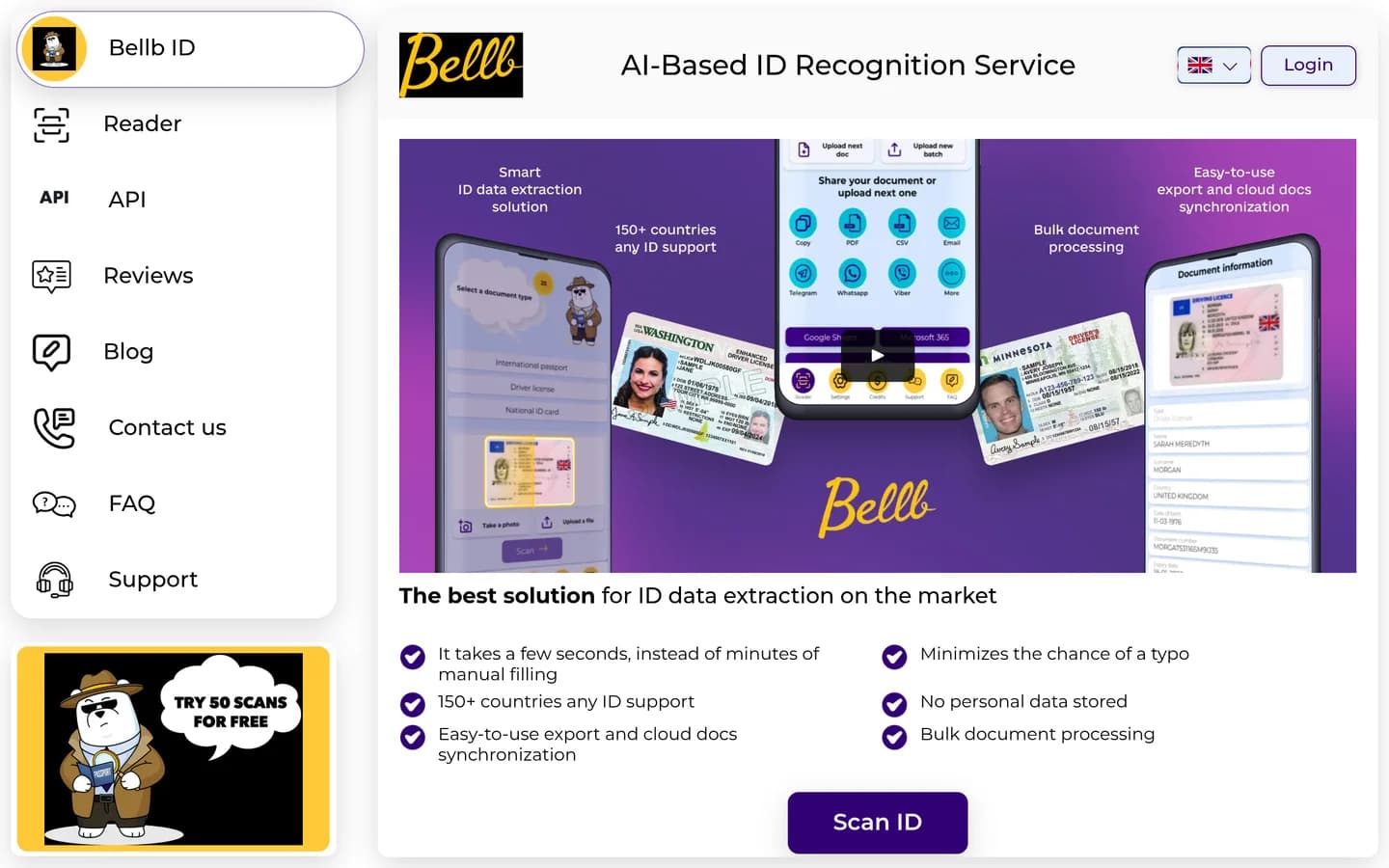
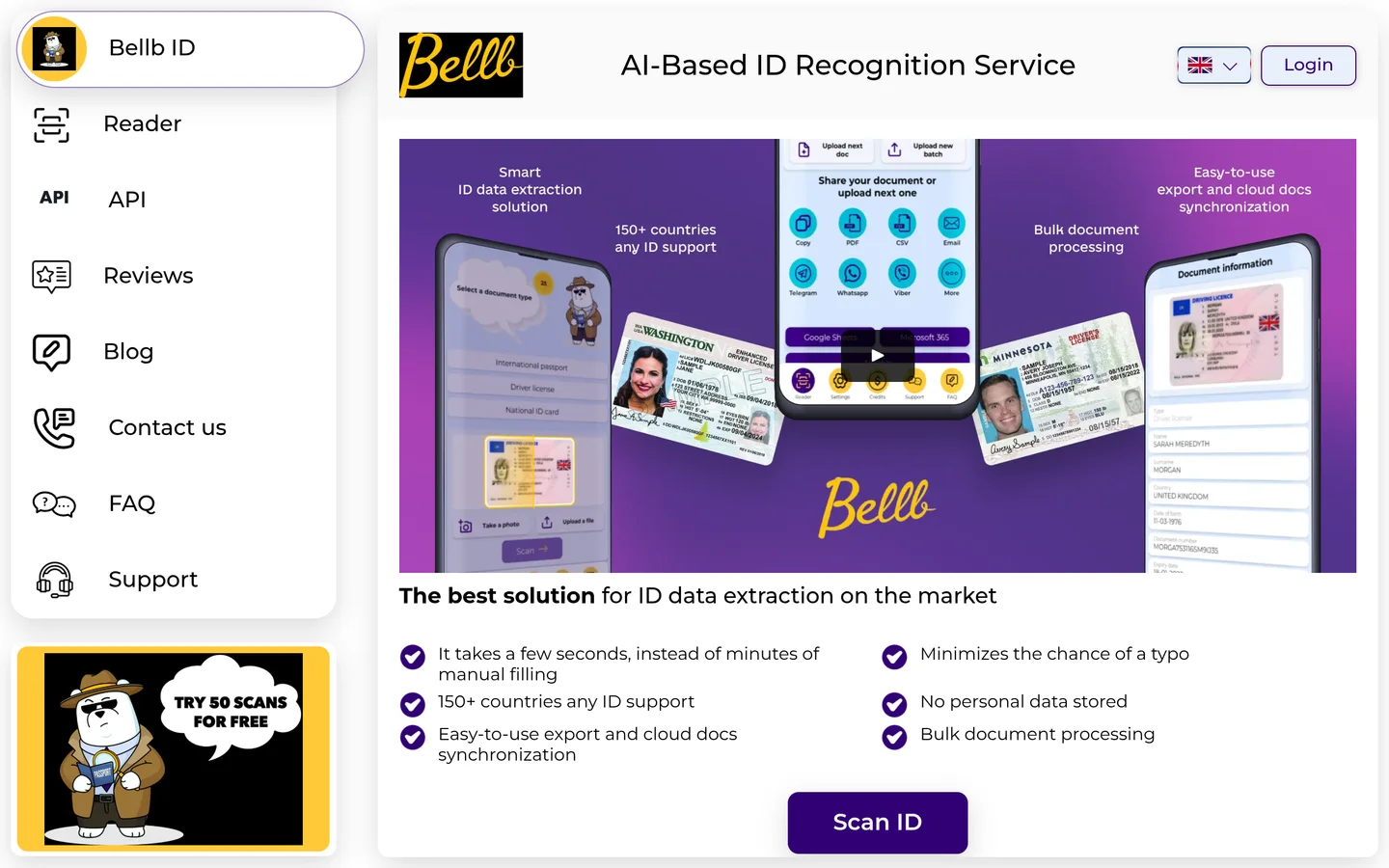
Bellb ID
Scans passports, ID cards and driving licences to extract document details for reuse or sharing.
- Built for
- People and teams that need to capture details from identity documents.
YAS research begins with evidence that can be checked from outside the business: website structure, search and AI visibility, content coverage, speed, trust signals, conversion paths and visible competitor patterns. It does not claim to know private operations. The scan is a bounded starting point for deciding what needs deeper validation.
YAS Web Studio
turns this operating logic into working software. Explore what we build, the workflow library and the system architecture.
What the public scan observes
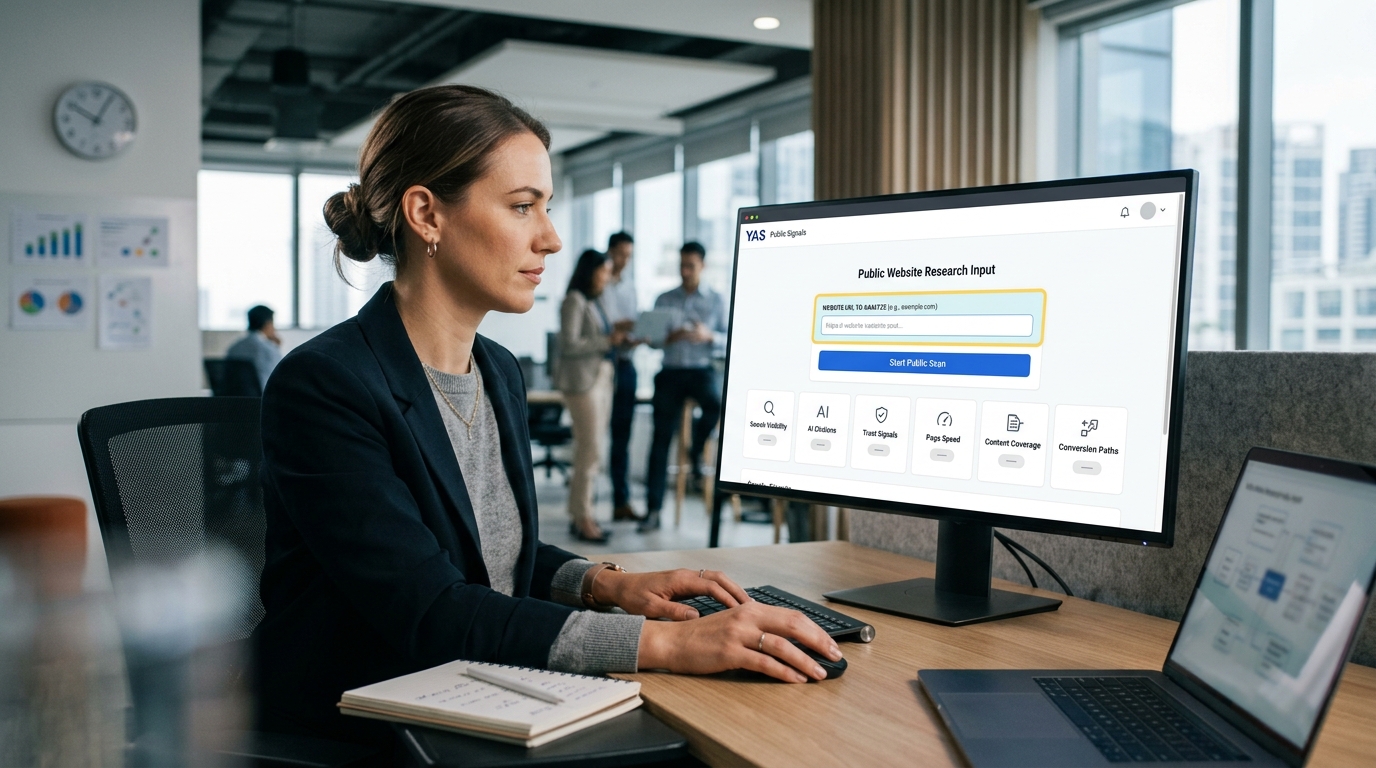
External analysis maps how search engines, AI models, and users interact with a storefront. Evaluating visible website structure establishes a technical baseline from public-facing assets.
The scan evaluates areas accessible to any public crawler or web user to build an external footprint.
- Website discoverability
- Search and AI visibility
- Content coverage
- Speed
- Trust elements
- Conversion paths
- Visible competitor patterns
What it cannot access
Public signals do not show internal business health. External research cannot access private databases, Shopify admin settings, or proprietary analytics. It highlights surface-level friction, not internal operations.
The public scan avoids assumptions about private systems and does not analyze internal data streams.
- No internal system access
- No private analytics claim
- No guaranteed index or citation result
- Results require review

How signals form a review queue
Gathered public signals are organized into a structured review queue. This queue translates raw data into technical observations of visible issues affecting conversion or search.
This directs engineering attention to public-facing errors, establishing a starting point for deeper validation.
Where AI visibility fits
AI-driven discovery relies on structured content. The scan evaluates how site architecture presents data to LLMs and AI search crawlers to avoid exclusion from recommendations.
The scan checks schema markup, content hierarchies, and pathways that allow AI models to index and cite products.

How to use the results
The scan results serve as a starting point for technical planning. Operators use this data to identify performance questions. The scanner is integrated into the YAS homepage.
After reviewing public signals, operators can plan deeper technical validation guided by objective, observable data.
Limitations and suitability
This tool is designed for public-facing websites and e-commerce stores. It is not suitable for private intranets, password-protected portals, or staging environments. All findings require review.
The scan does not guarantee specific search rankings or indexing. It is a bounded diagnostic starting point to highlight areas requiring deeper validation.
| Signal Category | Observable via Public Scan | Requires Private Access |
|---|---|---|
| Site Speed | Core Web Vitals and public lighthouse metrics | Server-side database queries and theme code |
| Search Visibility | Public indexation and LLM citation presence | Google Search Console and private search logs |
| Conversion Paths | Visible checkout flow and UI friction points | Shopify admin analytics and checkout drop-off rates |
Steps to Act on Public Research Results
- Run the public scan on the YAS homepage to collect initial external signals.
- Review the generated queue to identify visible conversion or visibility bottlenecks.
- Schedule an advisory session or technical sprint to map these signals to internal constraints.
A public scan is not a complete diagnosis, but it reveals where a site is out of step with performance and discoverability standards.
FAQ
Does the public scan require access to my Shopify admin?
No. The scan only reviews signals visible from outside the business, requiring no login credentials or internal system access.
Can this tool guarantee better search engine rankings?
No. The scan identifies visibility and technical gaps, but it does not guarantee specific indexing or citation results.
How do I transition from public research to a deep technical audit?
You can use the public scan results as a starting point for a structured engineering sprint or a deeper advisory session.
What are you trying to make work?
Bring the workflow, the bottleneck or the product idea. We can start with what exists and define the next useful version.