Business Systems Organized Around Decisions and Ownership
Connect the pieces.Make the system work.
YAS maps revenue, operations, content and customer systems as connected business states before choosing tools or implementation surfaces.

Selected products
The work makes it concrete.
A selection from my public portfolio: different industries, connected by the same approach to practical software.
01 / SaaS
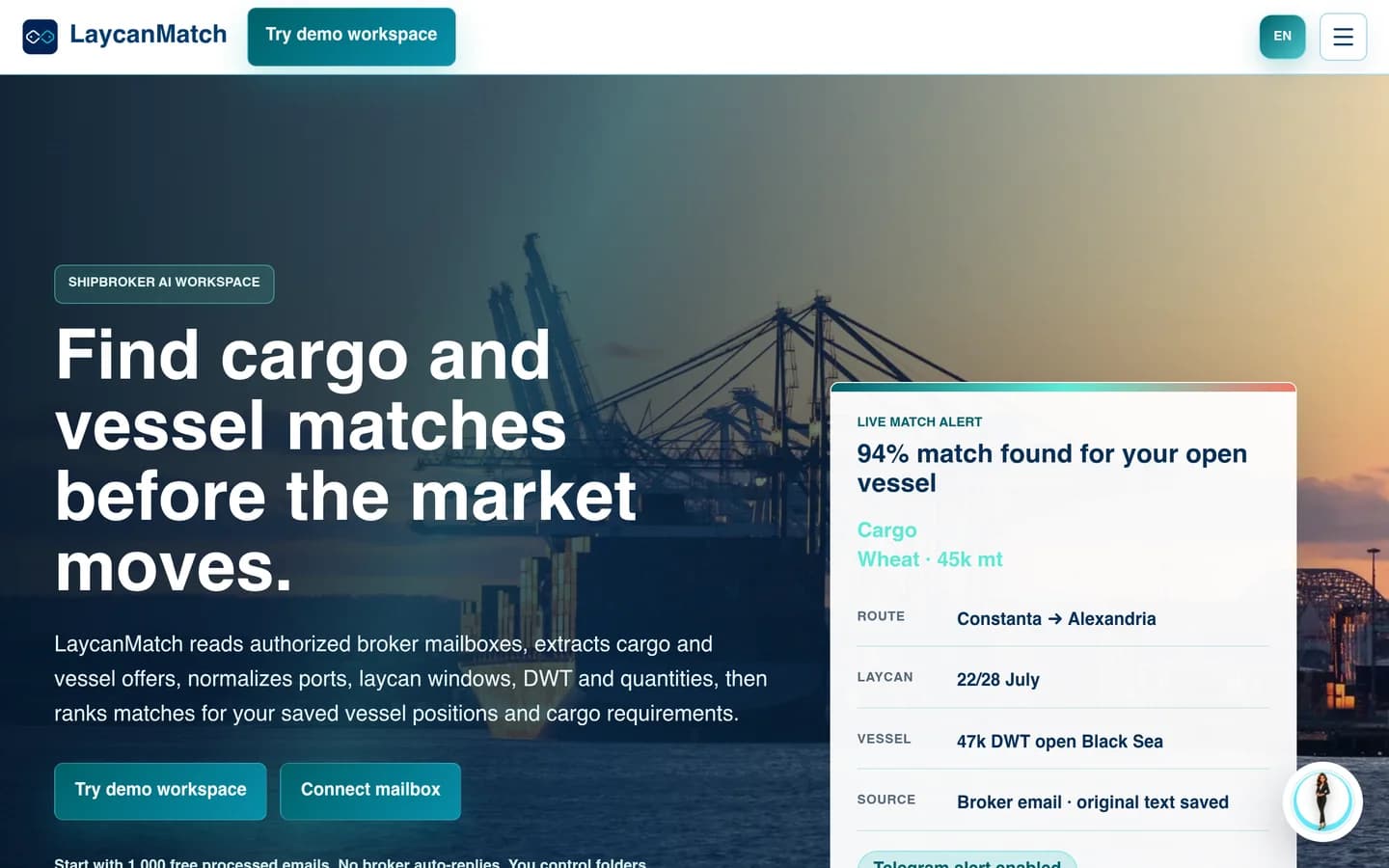
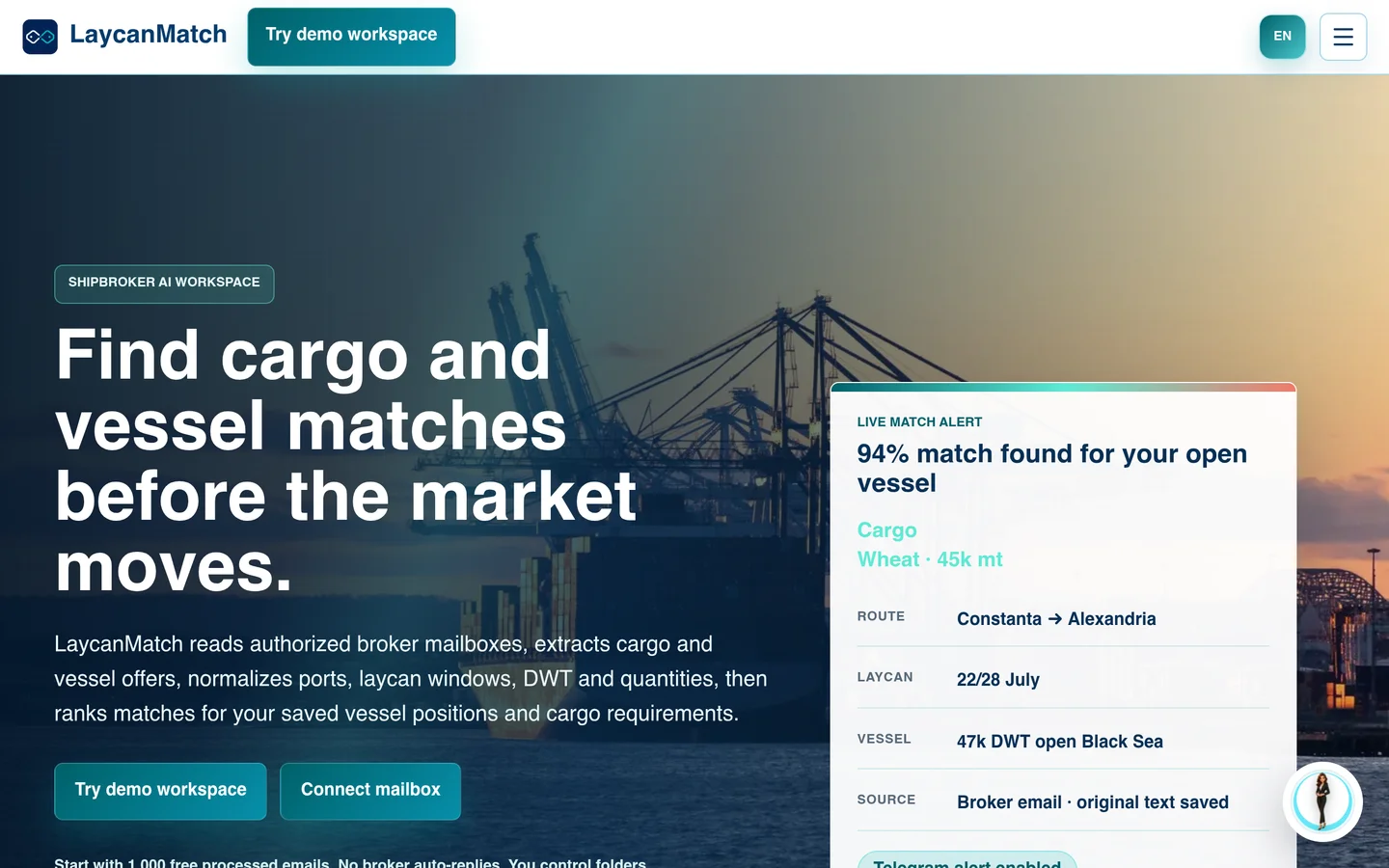
LaycanMatch
Turns broker emails into reviewable cargo and vessel records, then ranks possible matches for shipbrokers.
- Built for
- Shipbrokers and maritime professionals.
02 / ID scanning app
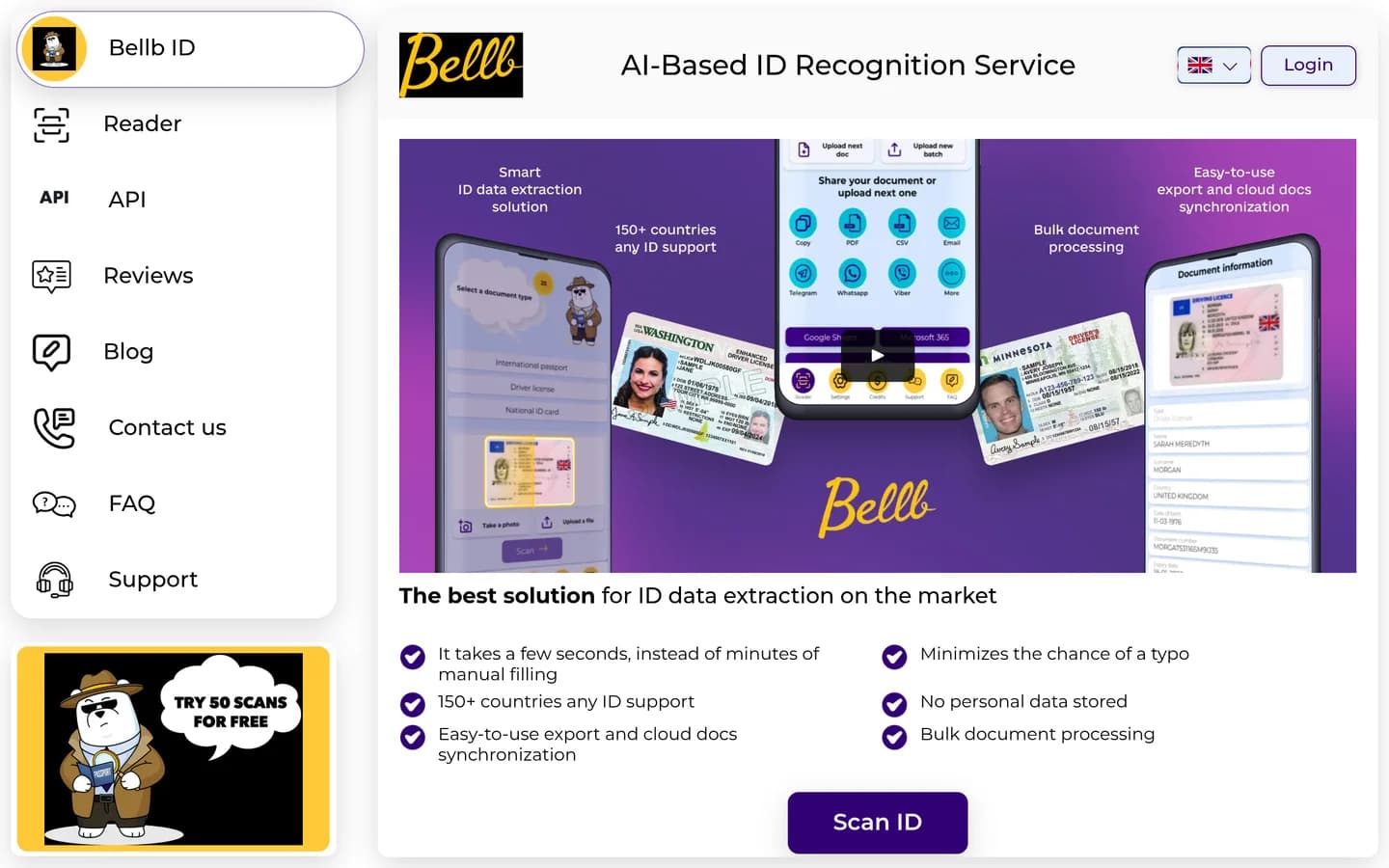
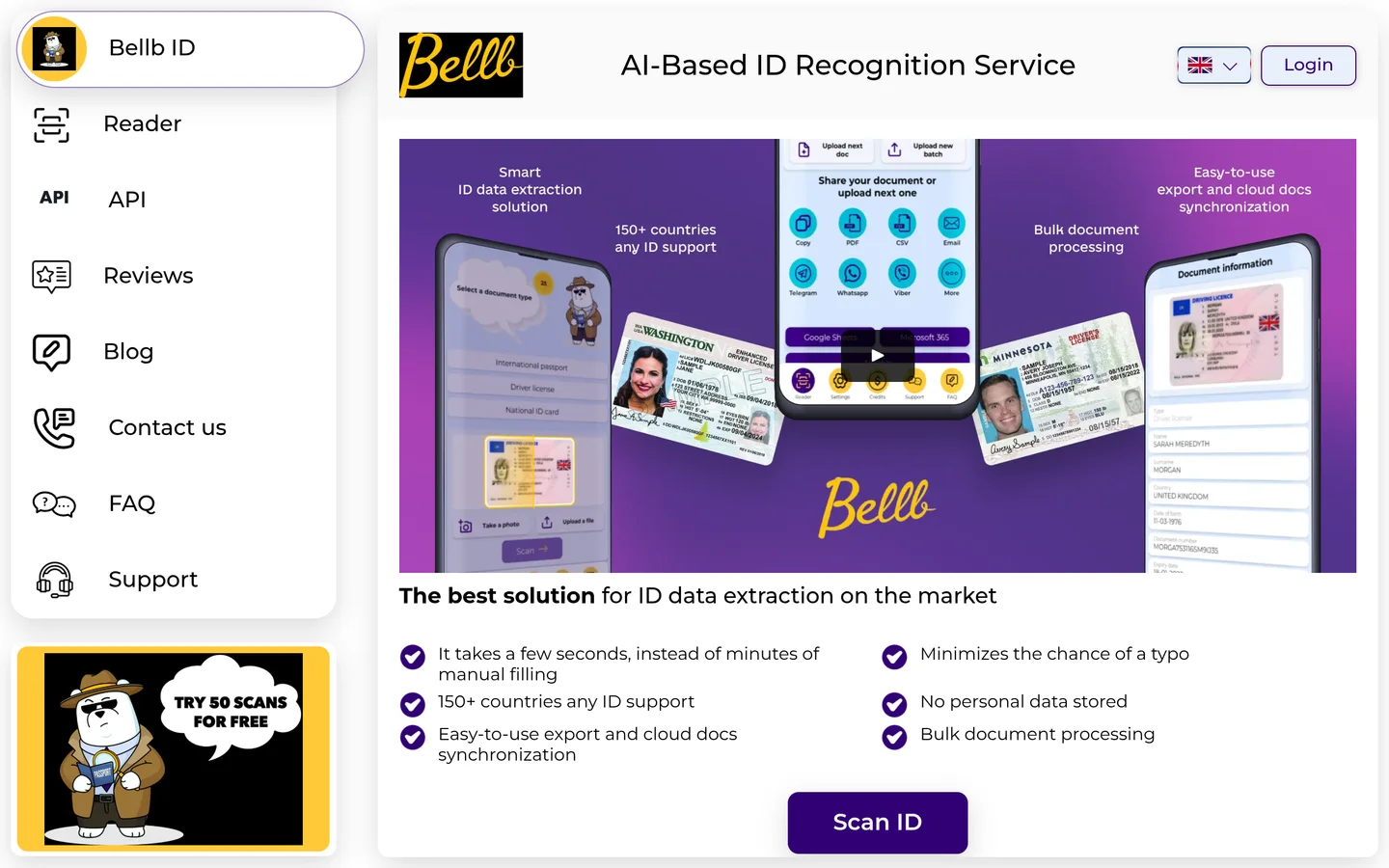
Bellb ID
Scans passports, ID cards and driving licences to extract document details for reuse or sharing.
- Built for
- People and teams that need to capture details from identity documents.
YAS treats a business system as a connected set of states, decisions, owners and handoffs. The model covers revenue and demand, operations and decisions, content and knowledge, and customer and product systems. It makes the operating structure visible before tools, automation or custom software are added.
YAS Web Studio
turns this operating logic into working software. Explore what we build, the workflow library and the system architecture.

The four operating domains
Every operating business functions through four core domains: revenue and demand, operations and decisions, content and knowledge, and customer and product systems. Siloed domains produce mismatched data and conflicting metrics.
Mapping these domains as a connected system identifies where data originates and where decisions occur. This mapping establishes the operational structure before software licenses are purchased or code is written.
- Revenue and demand: The flow of market attention, acquisition channels, and transactional conversion.
- Operations and decisions: The internal processes, fulfillment workflows, and critical human approvals.
- Content and knowledge: The assets, product specifications, and documentation that support operations.
- Customer and product systems: The actual delivery of value, customer accounts, and post-purchase retention.
State before screens
A common mistake is buying SaaS tools before defining underlying business states. I apply the principle of state before screens. This means first naming the state of an order, customer, or asset, and only then designing how that state is updated.
When the state is named, the technical architecture can be designed around it. Choosing tools after the model is defined aligns the software stack with operational logic rather than letting software dictate the process.

Ownership and handoffs
Systems require human ownership. To establish clear responsibility, the model assigns an owner for every state transition. As an illustrative example, if an order moves from pending to processing, a specific role must own that transition.
Handoffs must be testable. A testable handoff requires a verifiable transfer of clean data. If the incoming data does not meet the defined criteria, the handoff fails explicitly rather than passing incorrect data downstream.
Where automation belongs
Automation is applied to predictable, high-volume state transitions. When an automated step encounters an unexpected input, the system must route the task to a designated human owner. These exception paths are designed directly into the system model.
Defining exception paths avoids infinite loops and limits human interruptions to tasks requiring manual judgment.

How systems become build scope
Once business systems are mapped, they translate into technical build scope. Whether deploying native-first Shopify solutions, custom database integrations, or automated workflows, the mapped states serve as the development blueprint.
This transition from system design to development provides explicit requirements. Engineers write code to implement the defined state transitions and handoff tests, which limits the work to the mapped operational boundaries.
Limitations and suitability
This system modeling approach has specific limitations. There is no one universal operating model that fits every company. Every business has unique constraints, regulatory environments, and operational cultures that require custom mapping.
Furthermore, software does not remove organizational ownership. If a team lacks internal accountability, installing new software or automation will not resolve the underlying operational confusion. Success requires active operational leadership and clearly defined human responsibilities.
| Operating Domain | Core Focus | Typical State Transition | Handoff Test |
|---|---|---|---|
| Revenue and demand | Lead capture and conversion | Prospect to Paying Customer | Payment cleared and customer record created |
| Operations and decisions | Fulfillment and approvals | Pending to Fulfilled | Inventory allocated and tracking number generated |
| Content and knowledge | Asset and data management | Draft to Published | Metadata validated and asset deployed to CDN |
| Customer and product systems | Value delivery and retention | Active to Renewed | Usage metrics logged and entitlement updated |
Steps to Model Your Business System
- Name the current and desired states of your core operational entities.
- Assign a single, accountable owner to every state transition.
- Define testable handoff criteria and design exception paths.
- Choose software tools only after the model is defined.
Software is an accelerator of existing operational clarity, not a substitute for it.
FAQ
What does it mean to design state before screens?
It means defining the logical status and rules of business data before building user interfaces or choosing software. This aligns your technology stack directly with your operational rules.
Can software solve internal ownership issues?
No. Software does not remove organizational ownership. If a team lacks internal accountability, installing new software or automation will not resolve the underlying operational confusion.
How do you handle exceptions in automated systems?
YAS designs explicit exception paths that route edge cases to designated human owners, so that the system raises an explicit alert instead of failing silently.
What are you trying to make work?
Bring the workflow, the bottleneck or the product idea. We can start with what exists and define the next useful version.