YAS / PRACTICAL SYSTEM
YAS Web Studio: Business Architecture Into Working Software
Iaroslav YAS defines the business architecture; YAS Web Studio turns it into working web, Shopify, SaaS, mobile, desktop and browser-extension tools.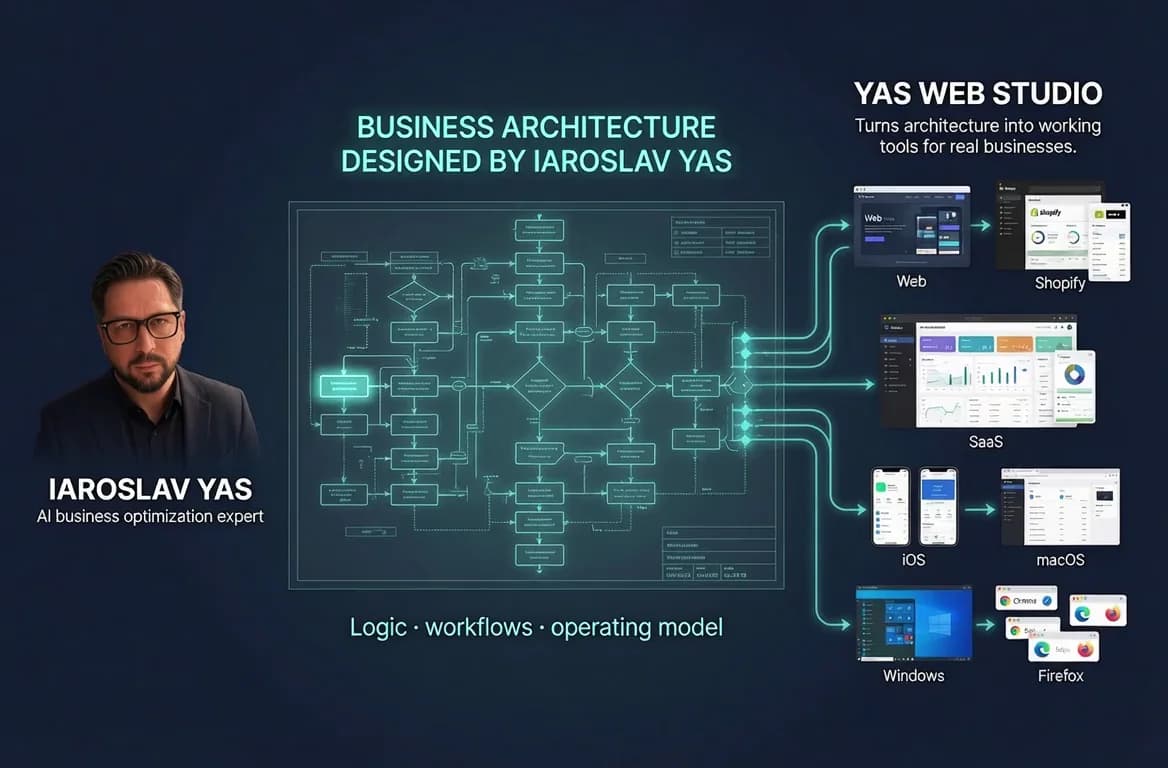
Iaroslav YAS defines the business logic, workflows, states, ownership and operating model. YAS Web Studio turns that architecture into working software for the surfaces the process actually needs: web, Shopify, SaaS, iOS, Android, macOS, Windows and browser extensions. The platform is selected after the operating model is clear, so every surface follows the same decisions and responsibilities.
YAS Web Studio
turns this operating logic into working software. Explore what we build, the workflow library and the system architecture.

Architecture before platform
Selecting a technical platform before defining how a business operates forces a team to adapt to default software assumptions. I reverse this sequence by prioritizing business architecture. I map constraints, business logic, states, decisions, ownership, and handoffs first.
By establishing this operating model before selecting a platform, early technical lock-in is avoided. The platform is chosen only after the operating model is clear, which means every surface follows the same decisions and responsibilities.
The role split between Iaroslav YAS and YAS Web Studio
Building software requires two distinct phases: designing the blueprint and executing the construction. I handle the architectural phase. This involves defining the exact business logic, data states, operational decisions, and handoffs between team members or external systems.
YAS Web Studio then takes this validated architecture and implements it as working software. The studio handles the technical engineering, database design, API integrations, and user interface development. This split keeps business strategy and technical execution distinct.

One operating model across delivery surfaces
A business process often spans multiple surfaces. Instead of building isolated tools that lead to data conflicts, YAS Web Studio maintains one operating model across all delivery surfaces.
Whether the interface is web, Shopify, SaaS, iOS, Android, macOS, Windows, or a browser extension, the underlying business logic remains identical. This approach maintains a single set of rules for the entire operation.
How the delivery surface is selected
I do not believe that every project needs every delivery surface. Adding unnecessary surfaces increases complexity. I select delivery surfaces based on the mapped operating model and where the work actually occurs.
- Web and SaaS surfaces are selected for centralized administration and data entry.
- Shopify native tools are selected for commerce operations and order management.
- iOS and Android mobile surfaces are used for on-the-go access.
- macOS, Windows, and browser extensions are selected for desktop integration and background utility.

Proof from working products
The approved product portfolio from the YAS homepage, connected to the live product where it is publicly available.
 My UGC StudioTurns a product photo into AI product images and UGC-style videos for stores, ads and social campaigns.Open product ↗
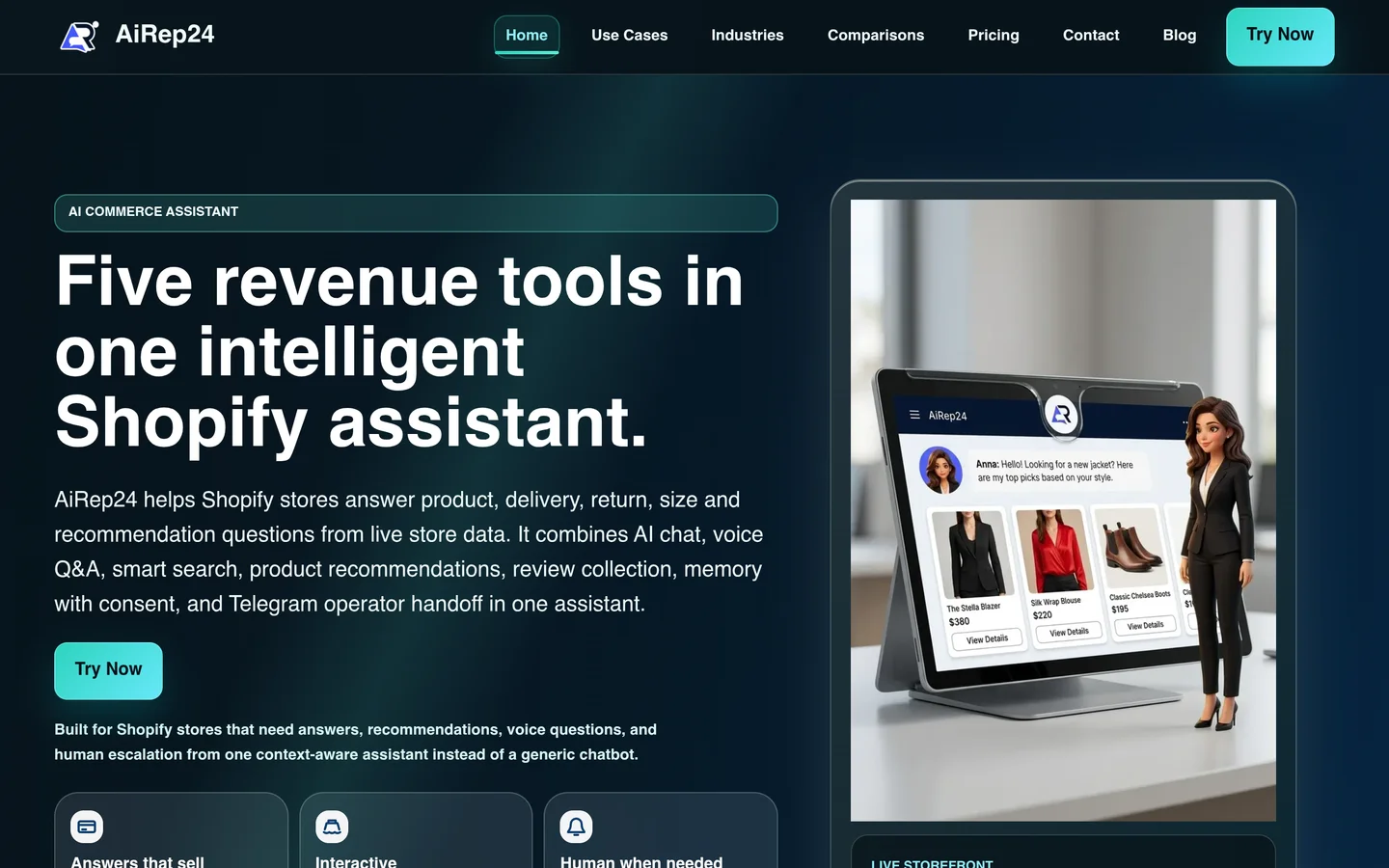 AIRep24AI support assistant that learns from a website, answers visitors on the site and in Telegram, and also serves Shopify stores.Open product ↗
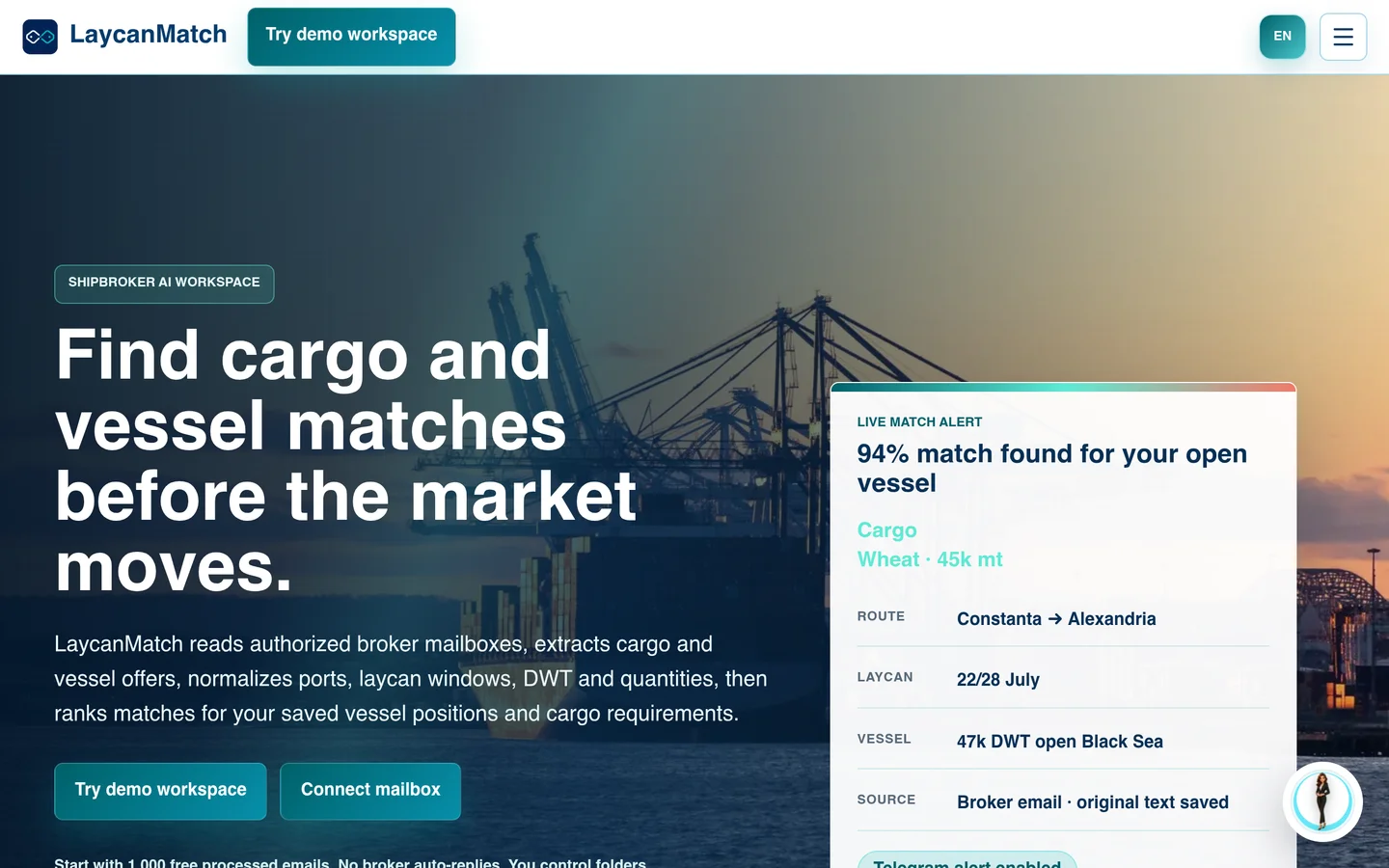 LaycanMatchTurns broker emails into reviewable cargo and vessel records, then ranks possible matches for shipbrokers.Open product ↗
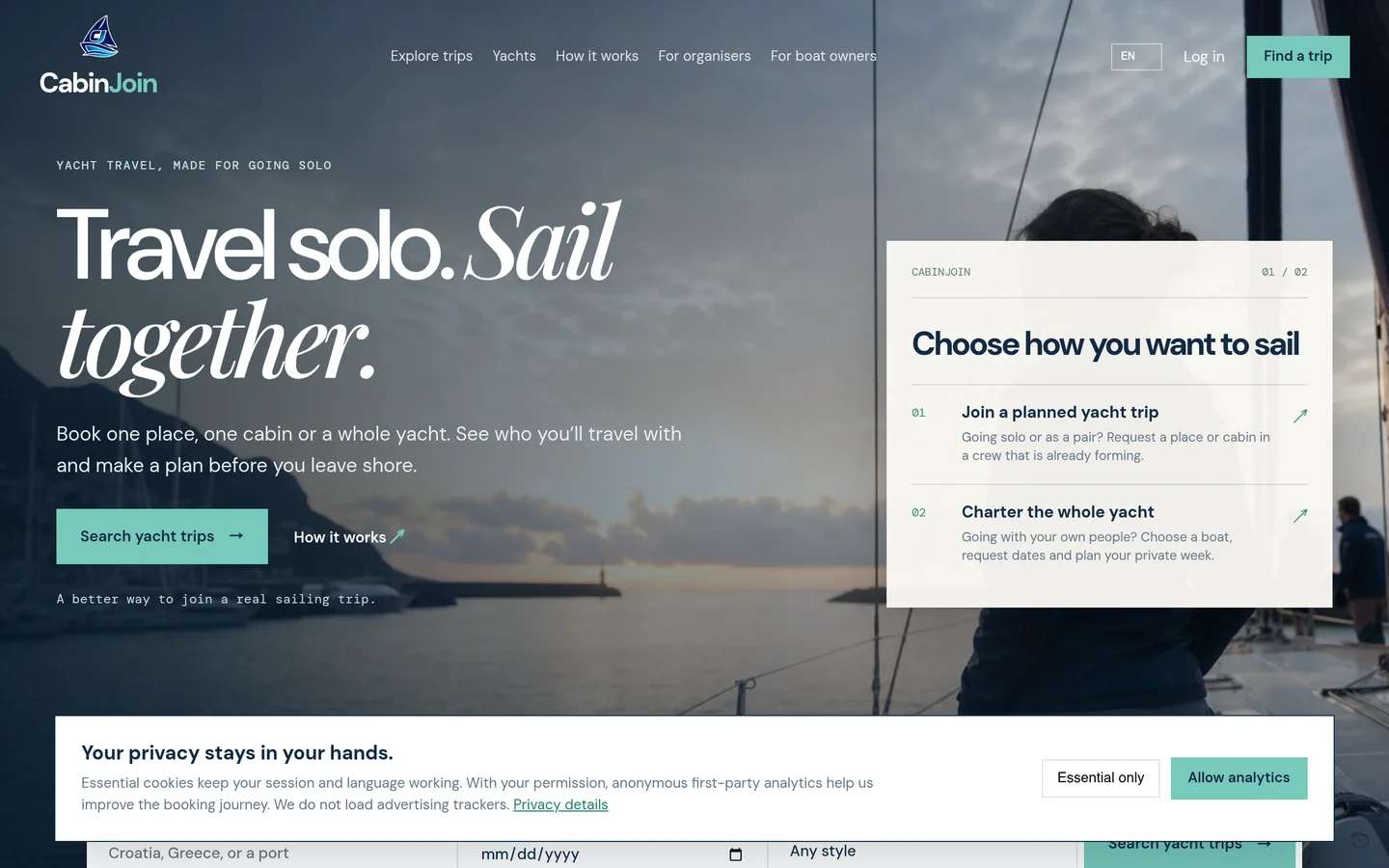 CabinJoinFind a place on a shared yacht trip or request a whole yacht, with trip and crew details before booking.Open product ↗
 SoloCruzHelps solo cruise travelers find a cabin mate before booking and plan to share the cabin cost.Open product ↗
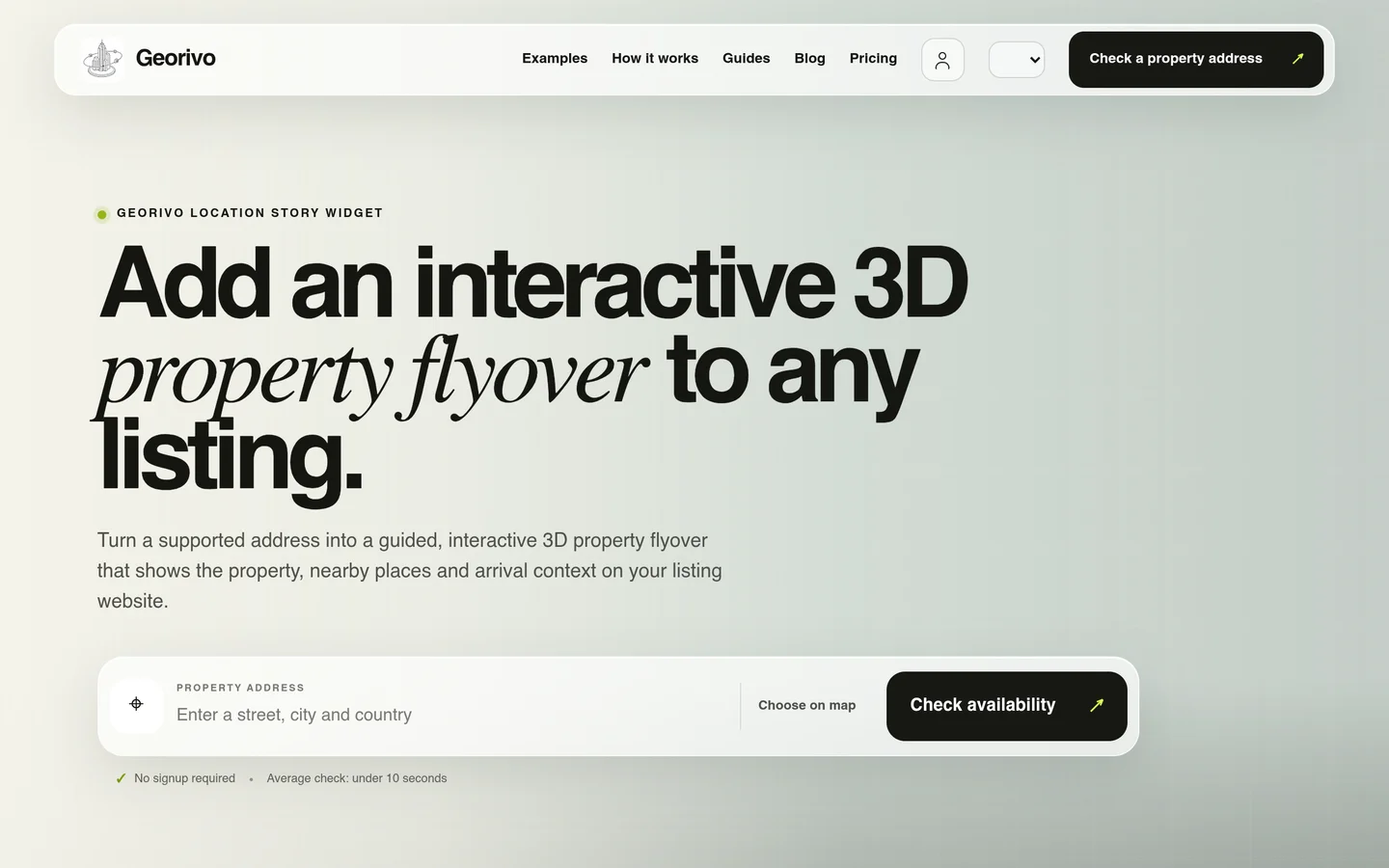 GeorivoTurns a verified U.S. property listing into a buyer page with photos, two property films and aerial or interactive 3D views.Open product ↗
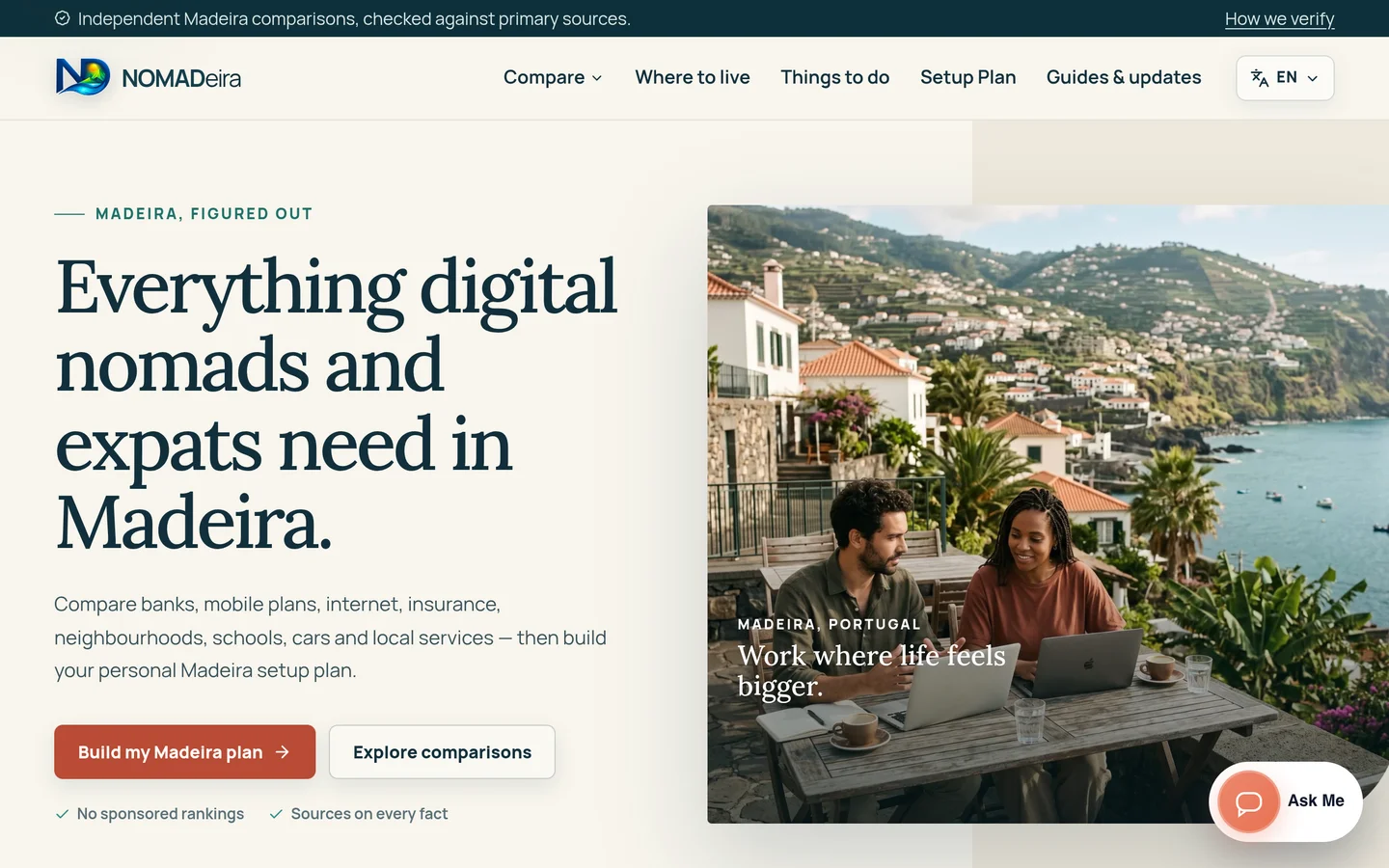 NOMADeiraCompare Madeira services and neighbourhoods, then build a practical plan for moving to the island.Open product ↗
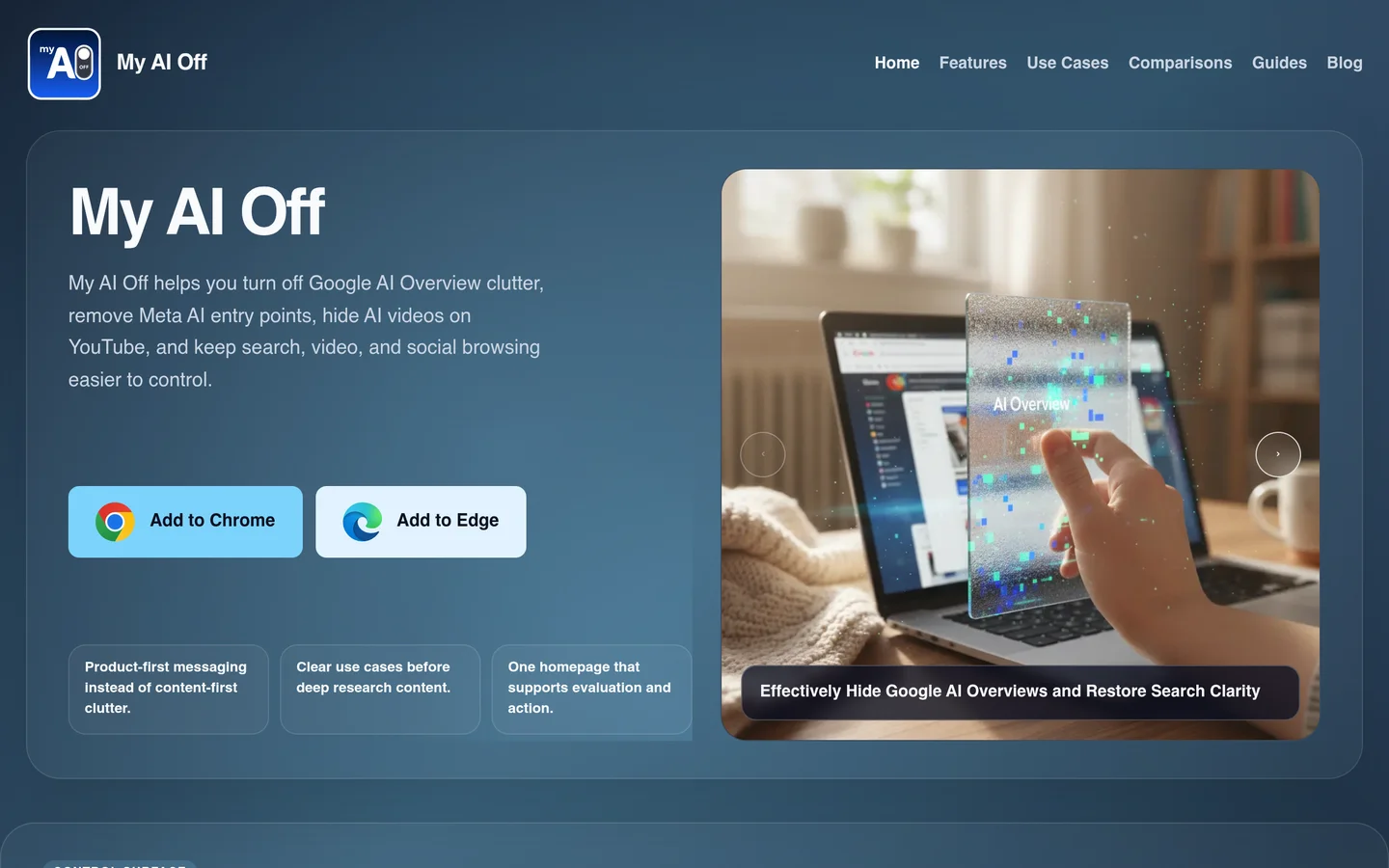 My AI OffBrowser extension with switches for hiding AI Overviews and unwanted AI features on Google, YouTube and Meta.Open product ↗
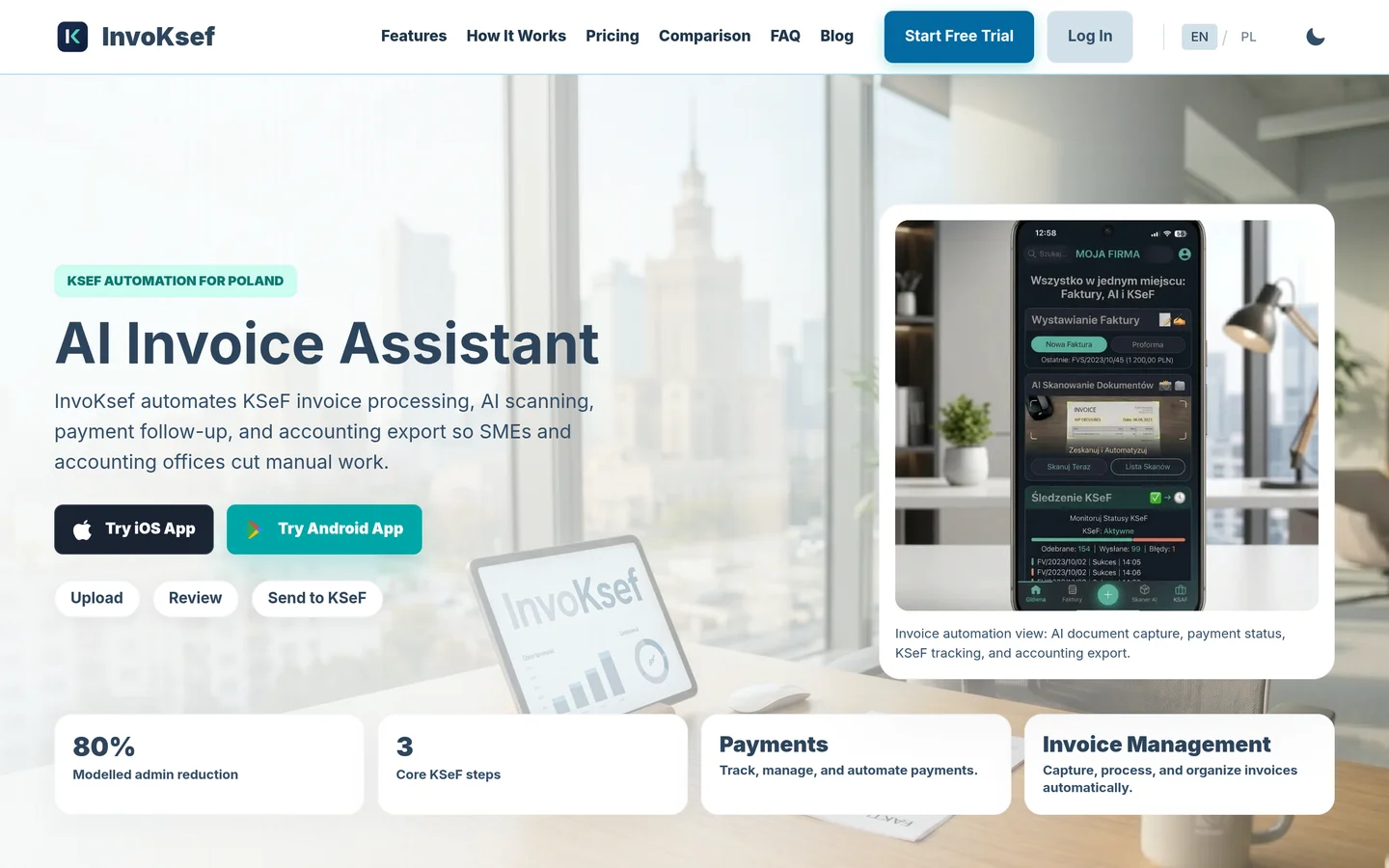 InvoKsefHelps Polish businesses scan invoices, review extracted data, submit to KSeF and track status in one workflow.Open product ↗
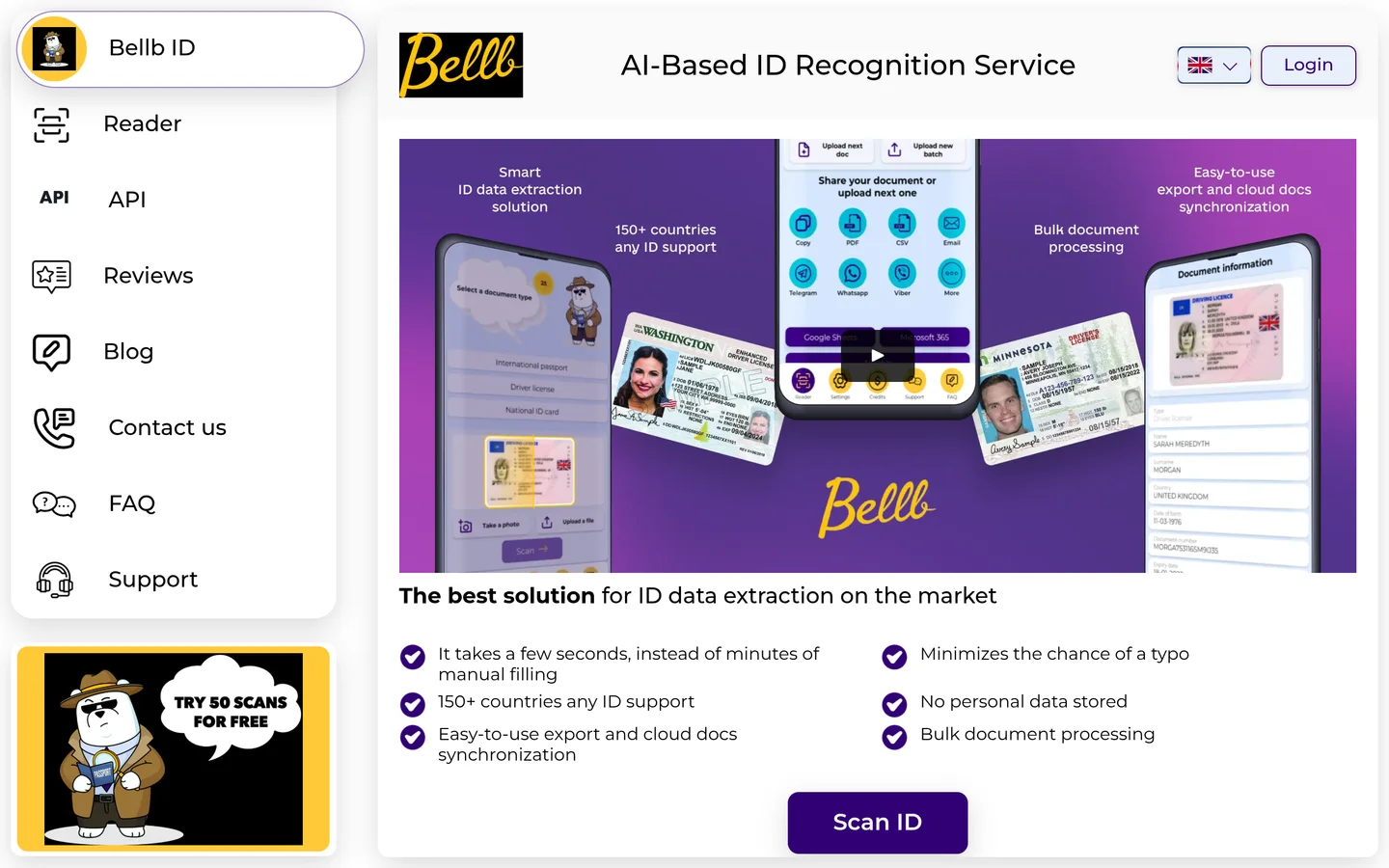 Bellb IDScans passports, ID cards and driving licences to extract document details for reuse or sharing.Open product ↗
Limitations and suitability
This approach has clear boundaries. I reject the claim that one platform fits every workflow. I also reject the claim that every project needs every delivery surface; YAS Web Studio only builds the surfaces that directly support your verified workflows.
Software does not replace business ownership. I define the rules and YAS Web Studio builds the tools, but your team must own the business decisions and operational logic. If you want a generic template without operational planning, this studio is not the right fit.
| Phase | Architectural Focus (Iaroslav YAS) | Implementation (YAS Web Studio) |
|---|---|---|
| Workflow Design | I define states, ownership, and handoffs | YAS Web Studio implements backend APIs and database schemas |
| Commerce Integration | I define checkout logic and inventory states | YAS Web Studio implements Shopify custom apps and interfaces |
| User Operations | I define access levels and decision nodes | YAS Web Studio implements web, SaaS, iOS, or Android interfaces |
| Automation | I define exception handling and review loops | YAS Web Studio implements background workers and AI automation pipelines |
Steps to Transition from Architecture to Working Software
- Map the operating model, including all constraints, states, handoffs, and business decisions.
- Select the minimum necessary delivery surfaces to support the mapped workflows.
- Build and verify one end-to-end path first before scaling or adding secondary surfaces.
Software without business architecture is just expensive noise. I define the decisions first, then YAS Web Studio builds the code to execute them.
FAQ
Why do you design the business architecture before picking a platform?
Selecting a platform too early forces your business logic to fit arbitrary software limitations. Defining the architecture first helps the software adapt to your actual workflows.
Does every project require all delivery surfaces like mobile and desktop?
No. I do not believe that every project needs every delivery surface. I select only the delivery surfaces that your specific operating model requires.
Can software replace active business ownership?
No. Software does not replace business ownership. Your team must own the business decisions and operational logic.