Build the Smallest Working System That Resolves the Constraint
From a clear briefto working software.
YAS turns an approved operating model into AI workflows, internal tools, digital products, apps, extensions or commerce systems.

Selected products
The work makes it concrete.
A selection from my public portfolio: different industries, connected by the same approach to practical software.
01 / SaaS
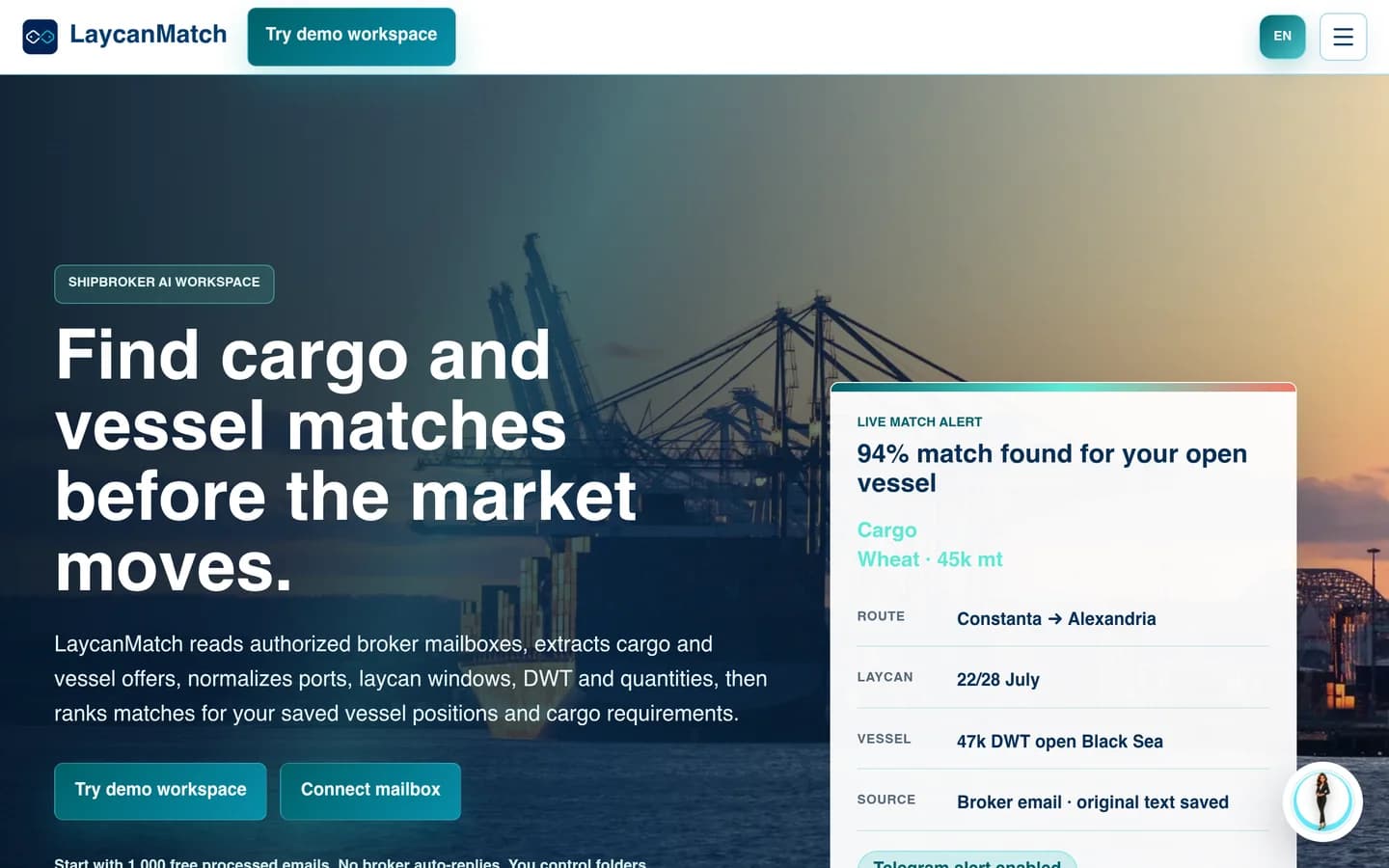
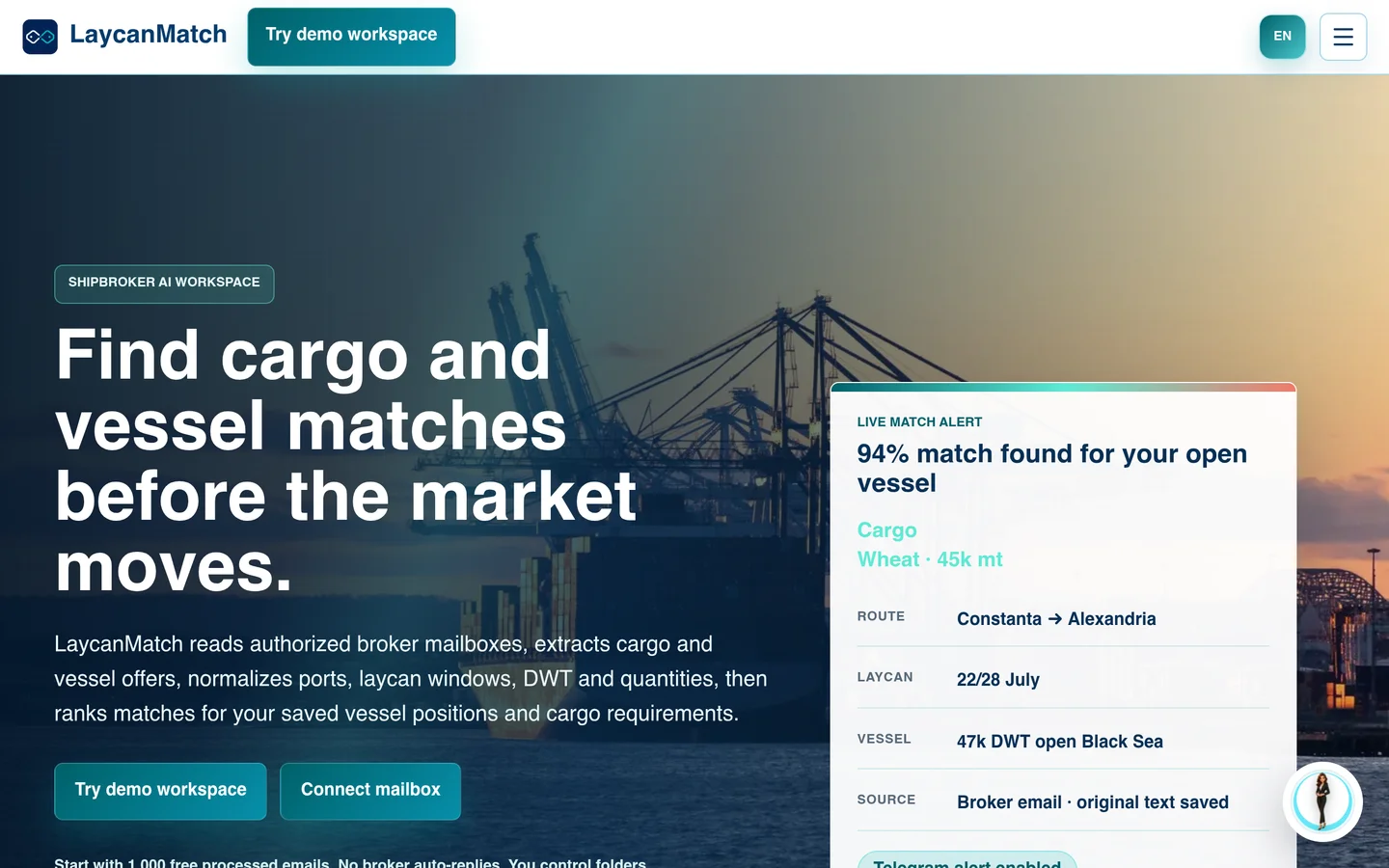
LaycanMatch
Turns broker emails into reviewable cargo and vessel records, then ranks possible matches for shipbrokers.
- Built for
- Shipbrokers and maritime professionals.
02 / ID scanning app
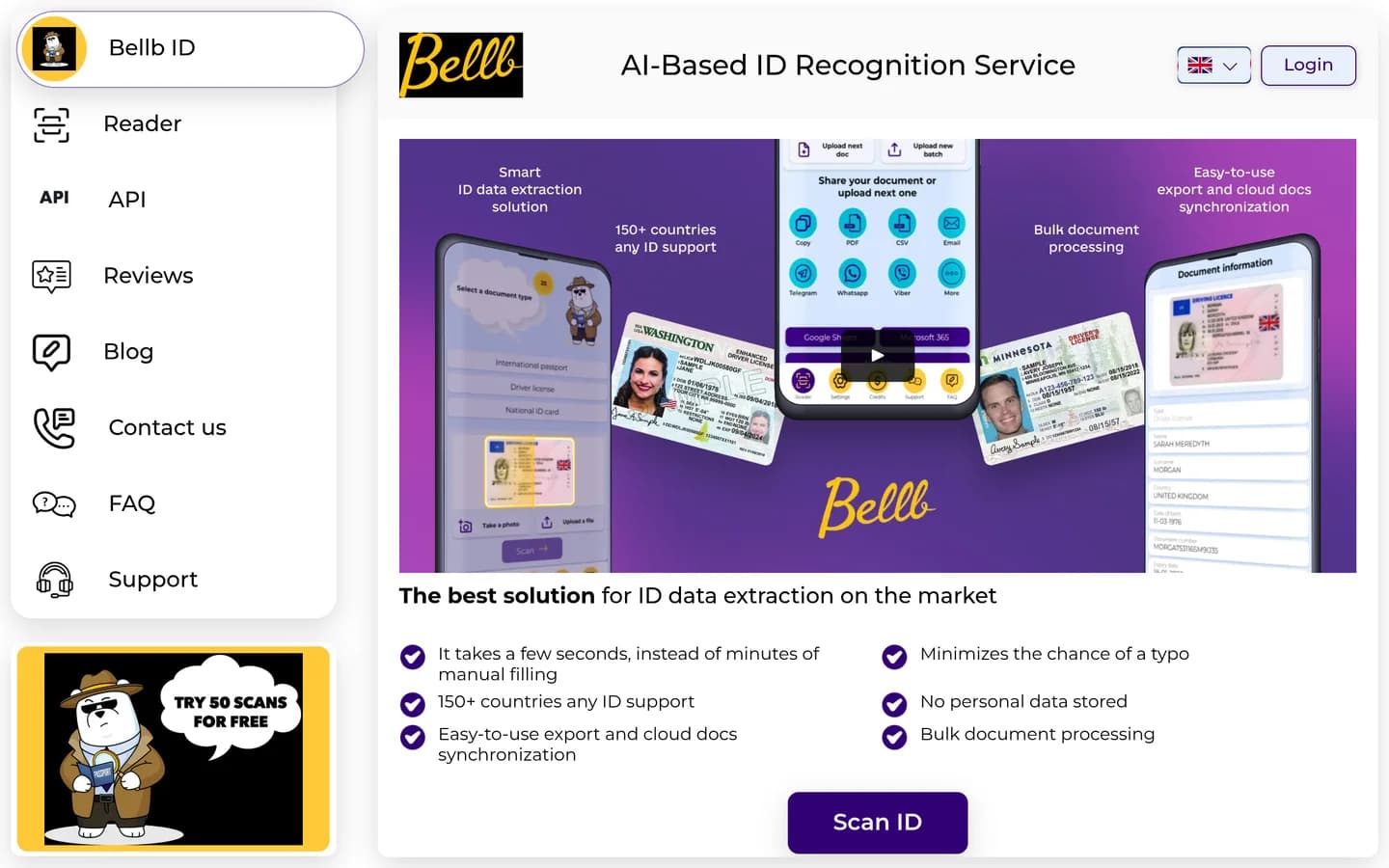
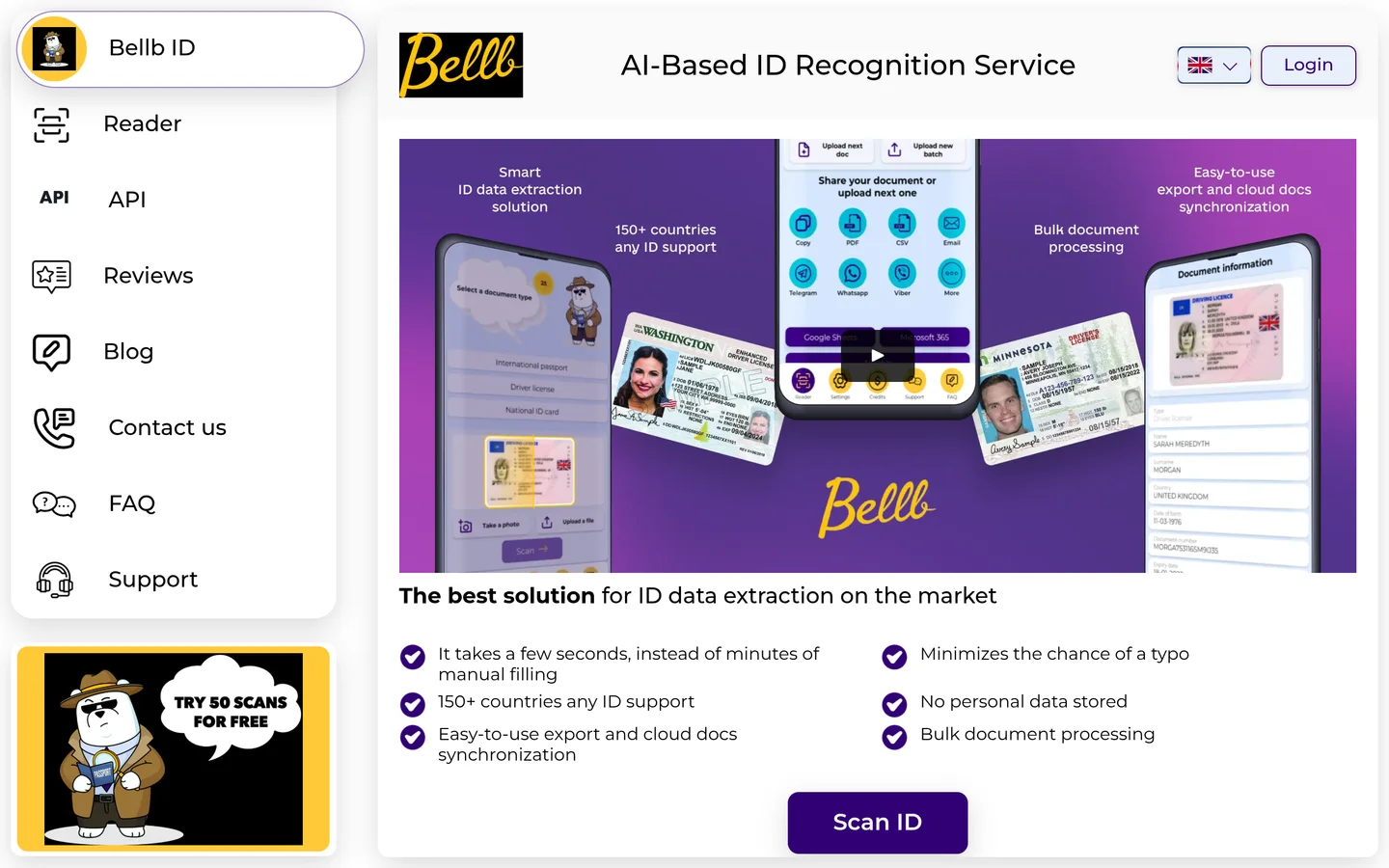
Bellb ID
Scans passports, ID cards and driving licences to extract document details for reuse or sharing.
- Built for
- People and teams that need to capture details from identity documents.
YAS chooses the implementation surface after the operating model is clear. The build may be an AI-assisted workflow, an internal tool, a portal, a digital product, an app, a browser extension or a commerce system. The first scope should resolve one real constraint and expose enough state to verify the result.
YAS Web Studio
turns this operating logic into working software. Explore what we build, the workflow library and the system architecture.

Choose the implementation surface last
Committing to a specific software format before mapping the operational bottleneck introduces unnecessary complexity. I evaluate the underlying business logic and operating model first. Only when the workflow is clear do I determine the implementation surface.
This surface might be an AI-assisted workflow, an internal tool, a portal, a digital product, an app, a browser extension, or a commerce system. Delaying this technical decision keeps the focus on operational needs rather than forcing conformity to pre-selected software constraints.
Bound the first release
The initial build focuses on resolving a single, high-priority bottleneck. I reject the claim that the first release should include every requested feature. Bounding the first release allows the deployment of working software to gather real-world performance data and verify that the core constraint is resolved.
Additional features are introduced systematically only after the foundational system is validated. This targeted approach prevents unnecessary complexity and keeps the focus on the core operational problem.

Keep state and ownership visible
A reliable system requires an explicit source of truth and an observable state. Operators must see how data moves through the system, where manual interventions occur, and how exceptions are managed.
I build clear interfaces and logging mechanisms into every system. This transparency allows operators to verify performance and retain ownership of their data without relying on external technical support.
Use real products as technical evidence
I apply these engineering principles to products I build. Whether developing specialized tools like My UGC Studio, BellB, SoloCruz, Georivo, or the Blog Core platform, I maintain a focus on native-first engineering and operational simplicity.
These public products are evidence of shipped interfaces and working software. They are not presented as evidence that one architecture fits every business or that a specific outcome is guaranteed.

Release with triage
Deploying software requires structured release triage and explicit exception handling. No system is immune to edge cases, but a well-engineered system manages errors without halting operations.
I design builds to isolate failures, log errors transparently, and notify operators when manual intervention is required. This systematic triage keeps the focus on resolving issues without interrupting the broader workflow.
Limitations and suitability
This approach has distinct limitations. I do not believe that every problem needs custom software. If a workflow can be resolved with off-the-shelf tools, I advise against a custom build.
Additionally, this approach requires active client-side operational verification. Because the first release is bounded to the most critical constraint, it will not include every requested feature. Operators must test, verify, and provide feedback on the core system before any expansion.
| Implementation Surface | Best Suited For | Product Context |
|---|---|---|
| AI-assisted workflows | Automating repetitive cognitive tasks and data routing | Blog Core |
| Internal tools and portals | Team collaboration and operational visibility | YAS product portfolio |
| Digital products and SaaS | Bounded customer-facing product workflows | My UGC Studio |
| Apps and extensions | Native platform enhancements and browser utilities | BellB |
| Commerce systems | High-performance transactional storefronts | YAS Shopify client work |
Steps to Execute a Bounded Release
- Identify the single operational bottleneck and define its explicit success state.
- Select the simplest implementation surface that directly resolves this constraint.
- Deploy the bounded first release with clear exception handling and active release triage.
I do not write code to satisfy a generic feature list. I write code to dissolve a specific operational bottleneck, choosing the surface only when the workflow is fully understood.
FAQ
Why choose the implementation surface last?
Choosing the surface too early forces business processes to adapt to technical constraints. Deciding on the operating model first ensures I build only what is necessary, whether that is an AI workflow or a custom commerce system.
Does every operational problem require custom software?
No. Many bottlenecks can be resolved through minor configuration changes, process adjustments, or standard off-the-shelf tools. I only recommend custom builds when a unique business constraint exists.
How are bugs and edge cases handled during the initial launch?
I implement active release triage and explicit exception handling. This ensures that system errors are caught, logged, and visible to operators immediately, preventing silent failures.
What are you trying to make work?
Bring the workflow, the bottleneck or the product idea. We can start with what exists and define the next useful version.