Custom Software Development Services
Custom SoftwareDevelopment Services
Plan and build custom software with YAS, from discovery and architecture through integrations, launch, stabilization, and code handover.
Selected products
The work makes it concrete.
A selection from my public portfolio: different industries, connected by the same approach to practical software.
01 / SaaS
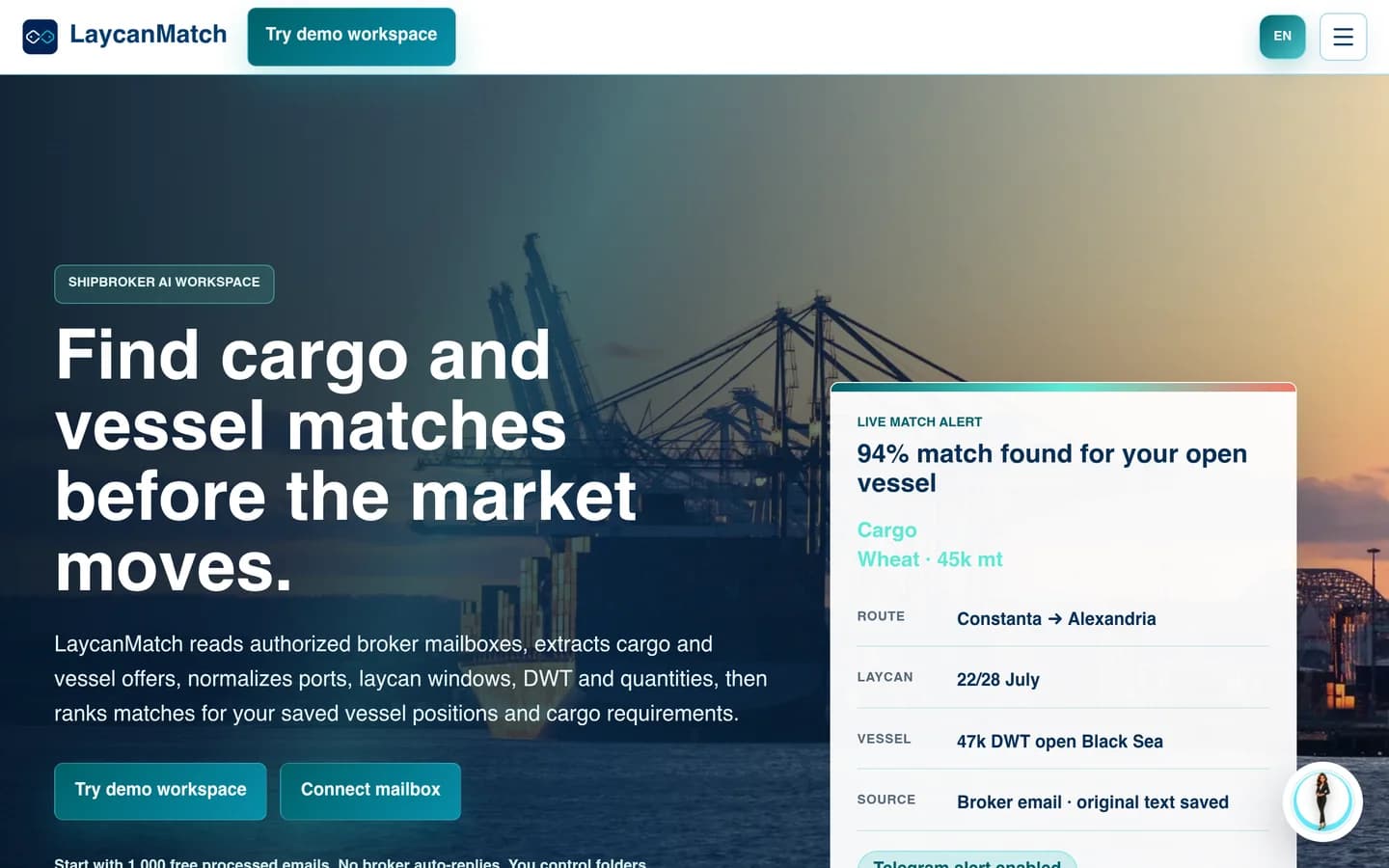
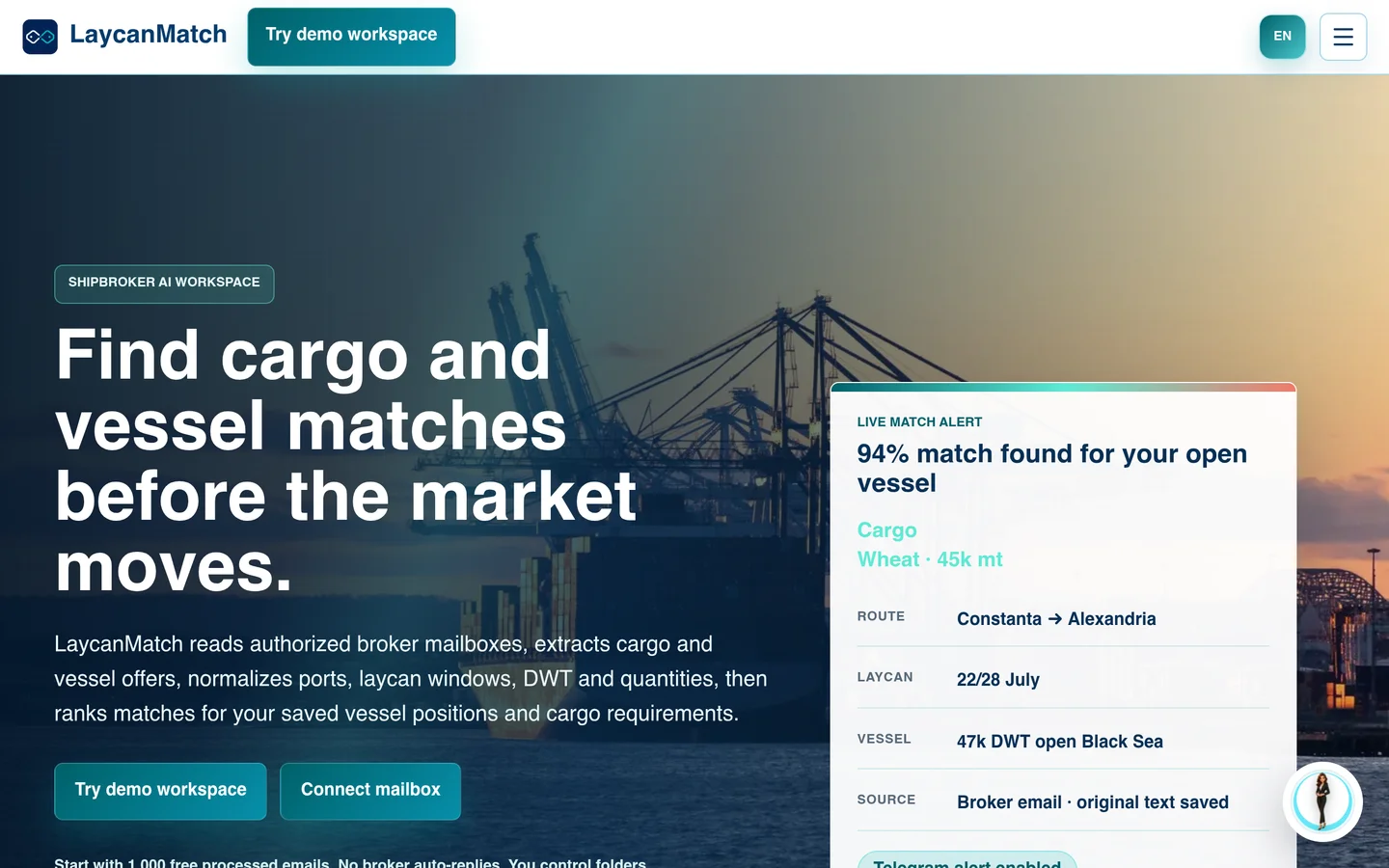
LaycanMatch
Turns broker emails into reviewable cargo and vessel records, then ranks possible matches for shipbrokers.
- Built for
- Shipbrokers and maritime professionals.
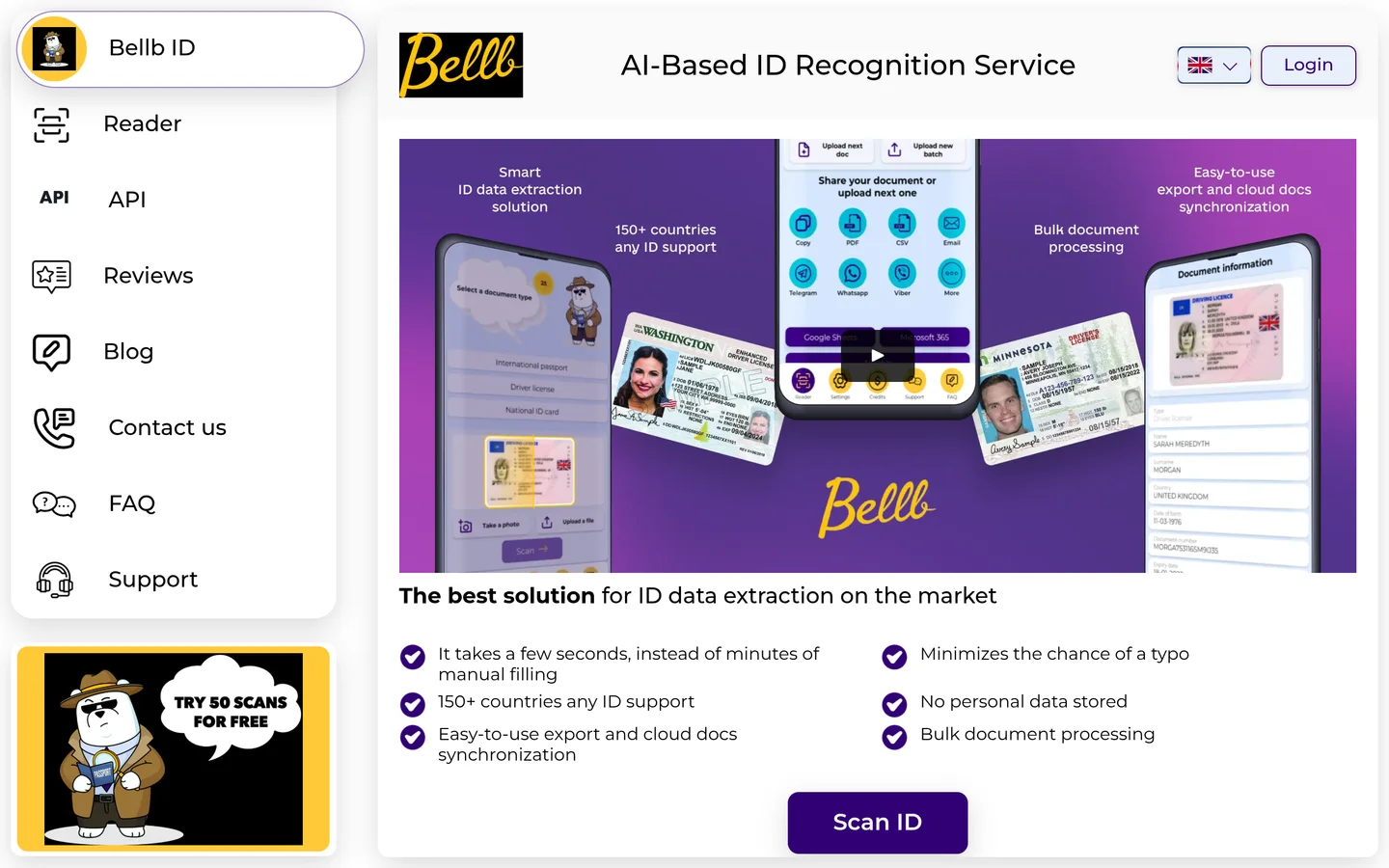
02 / ID scanning app
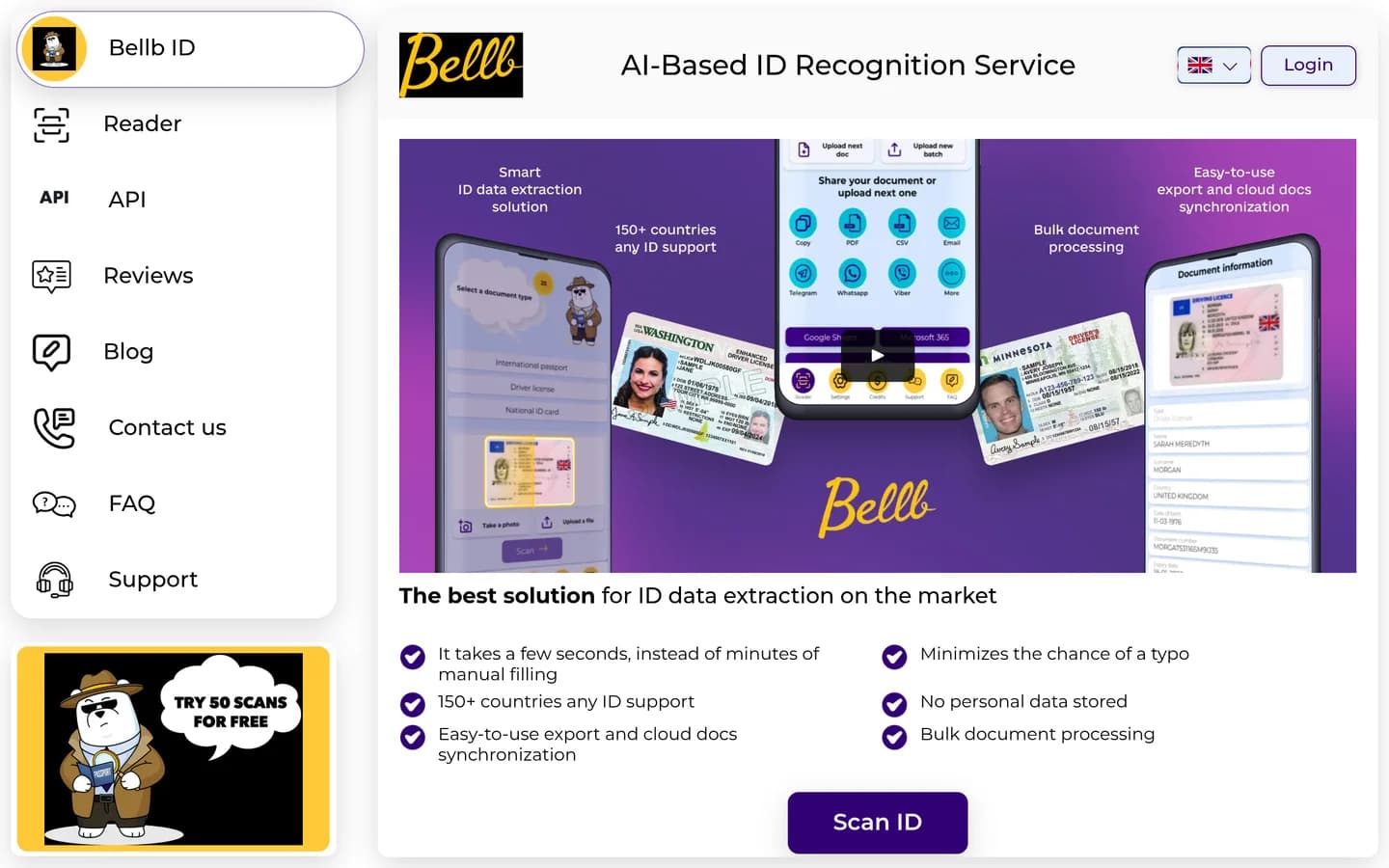
Bellb ID
Scans passports, ID cards and driving licences to extract document details for reuse or sharing.
- Built for
- People and teams that need to capture details from identity documents.
When an off-the-shelf platform cannot support a critical workflow, YAS scopes and builds software around the required process, integrations, controls, and ownership model. An engagement can cover discovery, architecture, implementation, testing, launch, stabilization, and code handover. Suitability, delivery scope, and price depend on verified requirements, system access, risk, and the operating responsibility expected after release.
YAS Web Studio
turns this operating logic into working software. Explore what we build, the workflow library and the system architecture.

Buyer problem and suitability
Many businesses reach an operational plateau where standard off-the-shelf software or SaaS platforms no longer support their core workflows. When manual workarounds, complex spreadsheet chains, or rigid software limitations begin to restrict growth, custom software development becomes a logical consideration. However, custom software is not a universal remedy for every operational challenge. It requires a significant commitment of time, capital, and internal resources to design, build, and maintain effectively. Buyers must evaluate whether their operational workflows are mature enough to justify a custom build before committing resources.
Suitability for a custom build depends on whether the underlying business process is already mature and clearly understood. Attempting to build custom software for an undefined, unstable, or rapidly changing workflow often leads to wasted development effort and misaligned features. YAS evaluates suitability based on verified requirements, system access, technical risk, and the long-term operating responsibility the buyer is prepared to assume. If a process cannot be documented step-by-step, it is not yet ready for custom automation. We focus on aligning the technical solution with your actual operational realities.
We limit our custom software services to specific verified capabilities. These include web applications, internal tools, portals, SaaS products, browser extensions, mobile application surfaces, and system integrations. We do not provide unlimited scope, nor do we promise perfect software or automatic product-market fit. Buyers must verify their own market demand and operational readiness before initiating a build. By maintaining these clear boundaries, we help operators make practical technical and business decisions without relying on unrealistic expectations.
Discovery and scope
Every successful custom software project begins with a structured discovery phase. This phase focuses on mapping the existing business processes, identifying integration points, and defining the exact functional requirements of the new system. Without this initial alignment, projects risk scope creep, budget overruns, and misaligned expectations between the development team and business stakeholders. Discovery allows both parties to identify potential technical roadblocks before any code is written, reducing overall project risk.
During discovery, we document user journeys, data flows, and technical constraints. We establish a clear boundary for what the system will and will not do, creating a detailed functional specification. This stage produces a validated scope document that serves as the blueprint for the entire development cycle, ensuring all parties agree on the final deliverables. This document acts as the single source of truth for the implementation phase, guiding developers and stakeholders alike.
We do not offer fixed pricing or delivery timelines before this discovery phase is complete. A detailed understanding of integration access and technical risk is necessary to establish realistic timelines and resource requirements. Skipping discovery often leads to unforeseen technical hurdles that disrupt project momentum. By requiring a thorough discovery phase, we ensure that subsequent development is based on verified requirements rather than assumptions.

Architecture and integrations
Software architecture defines how different components of a system communicate, store data, and scale under load. A robust architecture prevents future performance bottlenecks and simplifies long-term maintenance. We design systems with a clear separation of concerns, ensuring that database structures, API layers, and user interfaces remain modular and adaptable. This modularity allows for easier updates and reduces the likelihood that changes in one part of the system will cause unexpected failures in another.
System integrations are often the most complex part of custom software development. Whether connecting to legacy ERPs, CRM platforms, or third-party APIs, we analyze authentication methods, rate limits, and data synchronization patterns. This analysis helps prevent data loss, minimizes system downtime, and ensures reliable data exchange across platforms. We address these complexities directly during the architectural design phase to ensure that all integrations are built on stable foundations.
Our focus is on building reliable connections between systems. We map out how data moves across your operational ecosystem, ensuring that internal tools, portals, or web applications receive and send accurate information. This systematic approach reduces the need for manual data entry and minimizes the risk of operational errors. We do not promise integration without effort, but rather a structured integration process that accounts for rate limits, API downtime, and data validation protocols.
Development and quality controls
The implementation stage translates the architectural blueprint into functional code. We break down the development process into manageable cycles, focusing on delivering usable increments of the software. This approach allows stakeholders to review progress, test features in real-time, and provide feedback throughout the build process. By breaking the project into distinct phases, we maintain visibility and control over the development trajectory.
Quality controls are embedded into every stage of our development process. We implement automated testing, code reviews, and manual verification to identify and resolve issues early in the lifecycle. Testing covers functional requirements, security protocols, and integration stability under simulated workloads to ensure the software performs reliably. These controls are designed to catch errors before they reach the production environment, protecting your operations from disruption.
While we apply rigorous quality controls, no software is entirely free of defects upon initial release. Our process includes a dedicated stabilization period post-launch to address unexpected edge cases and refine system behavior under real-world usage. This realistic approach helps manage expectations and ensures long-term system stability. We do not claim to deliver perfect software, but we do provide a structured process for identifying and resolving bugs as they arise.

Launch and stabilization
Launching custom software requires careful coordination, especially when replacing legacy systems or integrating with live databases. We prepare a detailed deployment plan that outlines data migration steps, system configuration, and rollback procedures in case of unexpected errors. This minimizes disruption to your daily operations and ensures that the transition to the new system is handled systematically and safely.
Following the initial deployment, the software enters a stabilization phase. During this period, we monitor system performance, track error logs, and resolve any operational issues that arise as real users interact with the system. This phase is critical for ensuring the software achieves operational reliability under actual working conditions. It allows us to fine-tune system configurations and address any performance anomalies that only appear under live traffic.
Stabilization also involves training internal teams and verifying that all integrations function correctly in the production environment. We work closely with your technical and operational staff to ensure a smooth transition, addressing any usability questions or minor adjustments needed for optimal performance. This collaborative period ensures that your team is comfortable operating the new software and that all integrated systems are communicating as expected.
Code ownership and handover
A critical aspect of custom software development is the transition of ownership. We believe that clients should have full control over the software they fund. Upon completion of the project, we conduct a comprehensive code and responsibility handover to ensure your team is fully equipped to manage the system. This ensures that you are not locked into a single vendor and have the freedom to choose how your software is maintained.
The handover process includes transferring repository access, deployment configurations, and technical documentation. We ensure your internal team or future maintenance partners understand the system architecture, codebase structure, and operational requirements, allowing for independent management. We walk your team through the deployment pipelines and codebase to ensure there are no gaps in understanding before we conclude our active involvement.
Clear handover documentation reduces dependency on the original development team. It empowers your business to maintain, update, and scale the software independently, aligning with your long-term operational and strategic goals. By providing a clean handover of code and responsibility, we ensure that your custom software remains a valuable business asset that you fully own and control.
Pricing inputs
The cost of custom software development is influenced by several distinct factors rather than a flat rate. Understanding these inputs helps buyers plan budgets and prioritize features effectively during the discovery phase, leading to more efficient resource allocation. We believe in transparency regarding how development costs are calculated, allowing you to make informed investment decisions.
The primary drivers of cost include the validated scope of the project, the complexity of integration access, and the level of technical risk involved. Custom integrations with legacy systems or undocumented APIs require more effort than standard modern connections, which is reflected in the pricing. Technical risk, such as working with unstable third-party platforms, also requires additional contingency planning and development time.
Additionally, specific quality requirements and the level of operating responsibility expected from YAS after release affect the overall pricing. Ongoing support, monitoring, and post-launch maintenance agreements are scoped based on your operational needs and internal technical capabilities. By understanding these inputs, you can adjust the scope or integration requirements to align with your budget constraints.
Evidence and limitations
Our approach to custom software development is grounded in practical execution and verified capabilities. We have successfully delivered web applications, internal tools, portals, SaaS products, browser extensions, mobile application surfaces, and system integrations for various operational contexts. Our focus is on providing practical technical solutions that solve specific operational challenges.
However, we maintain clear boundaries regarding what we can deliver. We do not guarantee specific business outcomes, such as increased revenue or reduced operational costs, as these depend on market factors and internal execution. We also do not offer unlimited scope or guarantee perfect software. We do not guarantee delivery times or pricing before a complete discovery phase is completed.
By understanding these limitations, buyers can make informed decisions and actively participate in the development process. This collaborative approach leads to more realistic project expectations, better risk management, and successful software outcomes that support your business operations. We encourage founders and operators to approach custom development as a shared responsibility rather than an outsourced commodity.
| Software Capability | Typical Use Case | Primary Integration Focus | Key Technical Risk |
|---|---|---|---|
| Web Applications | Customer portals and client dashboards | API authentication and session management | Data exposure and unauthorized access |
| Internal Tools | Operations dashboards and reporting | Database synchronization and caching | Data inconsistency across legacy systems |
| SaaS Products | Subscription platforms and multi-tenant apps | Payment gateways and billing systems | Multi-tenancy isolation and security |
| Browser Extensions | Workflow automation and browser utilities | DOM manipulation and background scripts | Browser updates breaking extension APIs |
| System Integrations | ERP to Shopify data synchronization | Rate limit handling and queue management | Data synchronization delays and API downtime |
Steps to Prepare for a Custom Development
- Document the current manual workflow and identify specific bottlenecks.
- Gather existing API documentation and access credentials for systems requiring integration.
- Define the user roles and access permissions needed for the new application.
- Establish a realistic budget framework based on core operational priorities.
- Assign an internal product owner to manage requirements and feedback cycles.
Custom software is an investment in operational leverage. It should only be built when off-the-shelf tools impose a clear limit on business growth.
FAQ
Do you guarantee delivery times or pricing before discovery?
No. We do not guarantee delivery times or pricing before a complete discovery phase, as these depend on validated scope, integration access, and technical risk.
What types of software capabilities do you verify?
We build web applications, internal tools, portals, SaaS products, browser extensions, mobile application surfaces, and system integrations.
Who owns the code after the project is completed?
You do. We conduct a complete code and responsibility handover, transferring all repository access and documentation to your team.
Do you guarantee that the software will be completely free of bugs?
No. We do not promise perfect software. We implement rigorous quality controls and a stabilization phase to identify and resolve issues, but no complex system is entirely bug-free.
What are the main inputs that determine the price of a project?
Pricing is based on validated scope, integration access, technical risk, quality requirements, and the level of operating responsibility expected after release.
Can you help us achieve automatic product-market fit?
No. We build custom software to your specifications, but we do not guarantee business outcomes or automatic product-market fit.
What are you trying to make work?
Bring the workflow, the bottleneck or the product idea. We can start with what exists and define the next useful version.