MVP Development Services
MVP DevelopmentServices
Build an MVP with YAS through research, scope, UX/UI, architecture, development, launch, stabilization, and code handover.
Selected products
The work makes it concrete.
A selection from my public portfolio: different industries, connected by the same approach to practical software.
01 / SaaS
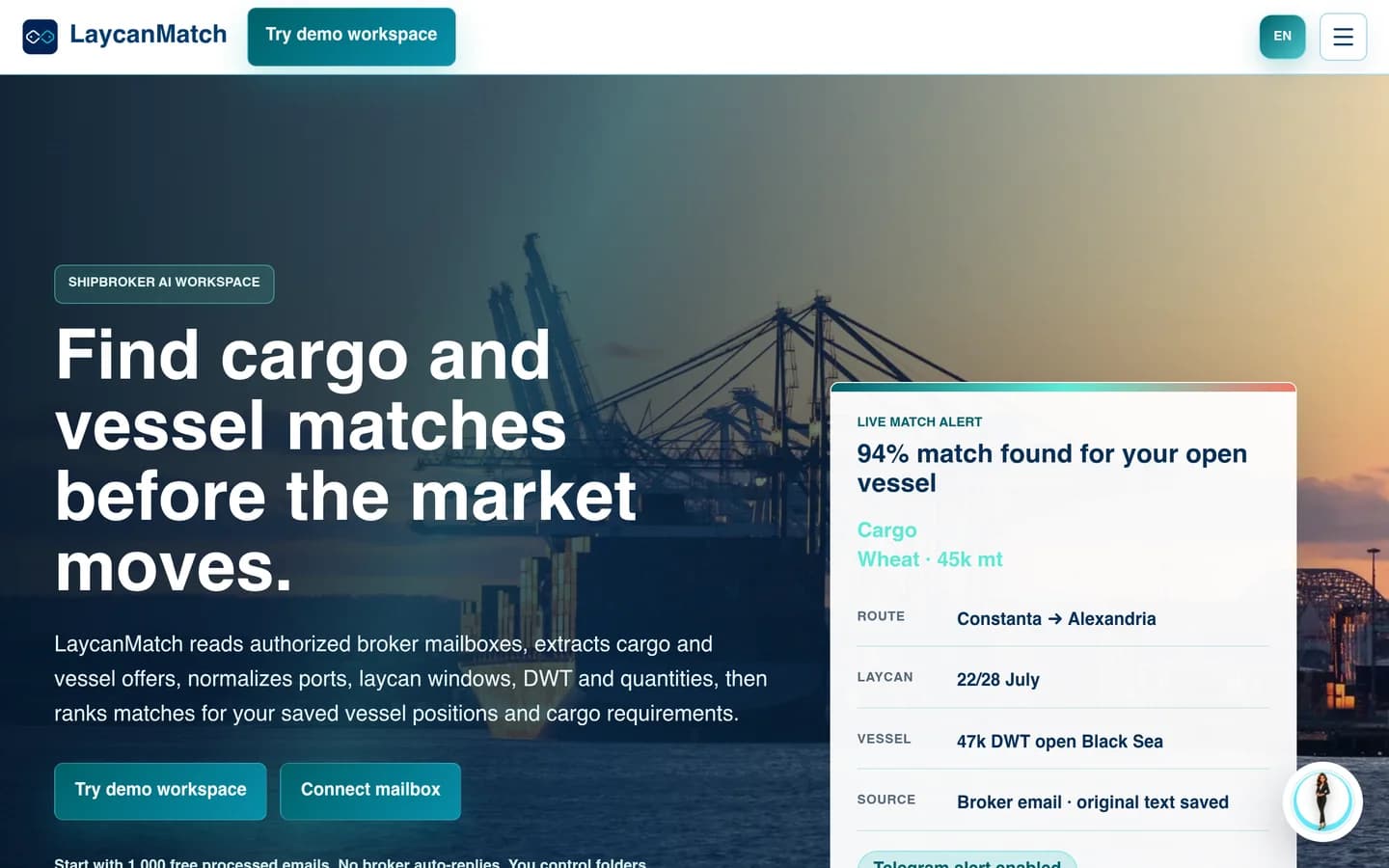
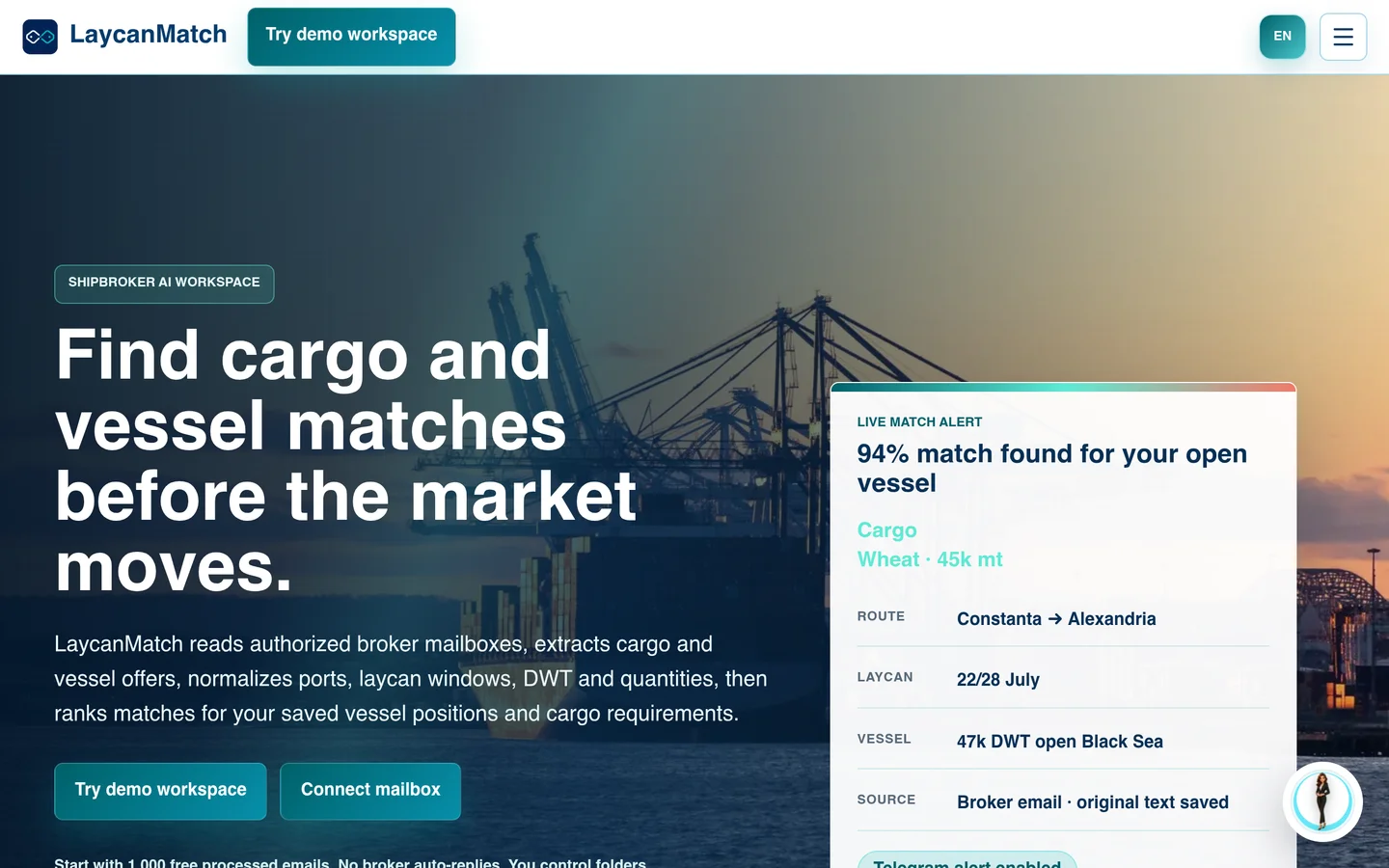
LaycanMatch
Turns broker emails into reviewable cargo and vessel records, then ranks possible matches for shipbrokers.
- Built for
- Shipbrokers and maritime professionals.
02 / ID scanning app
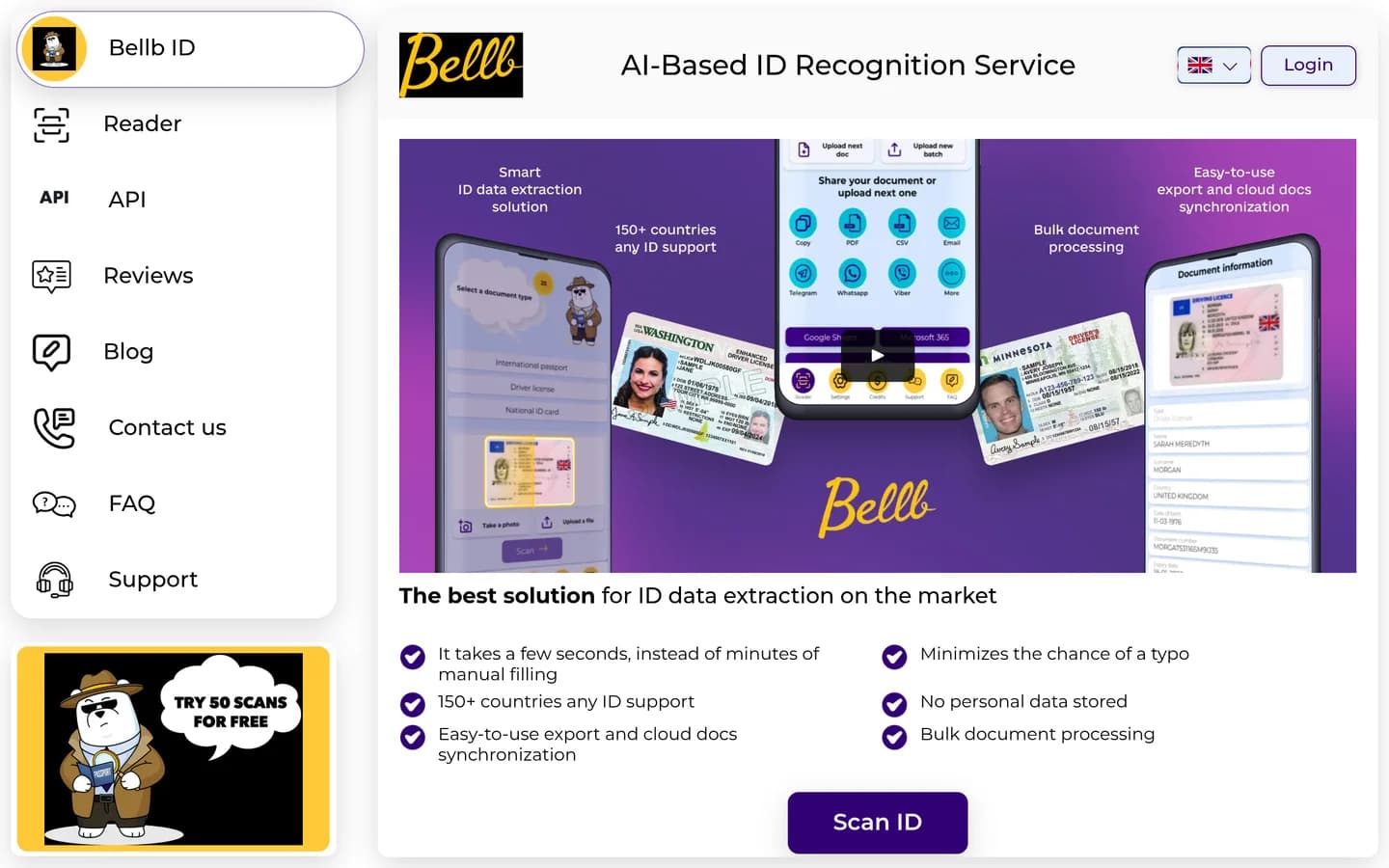
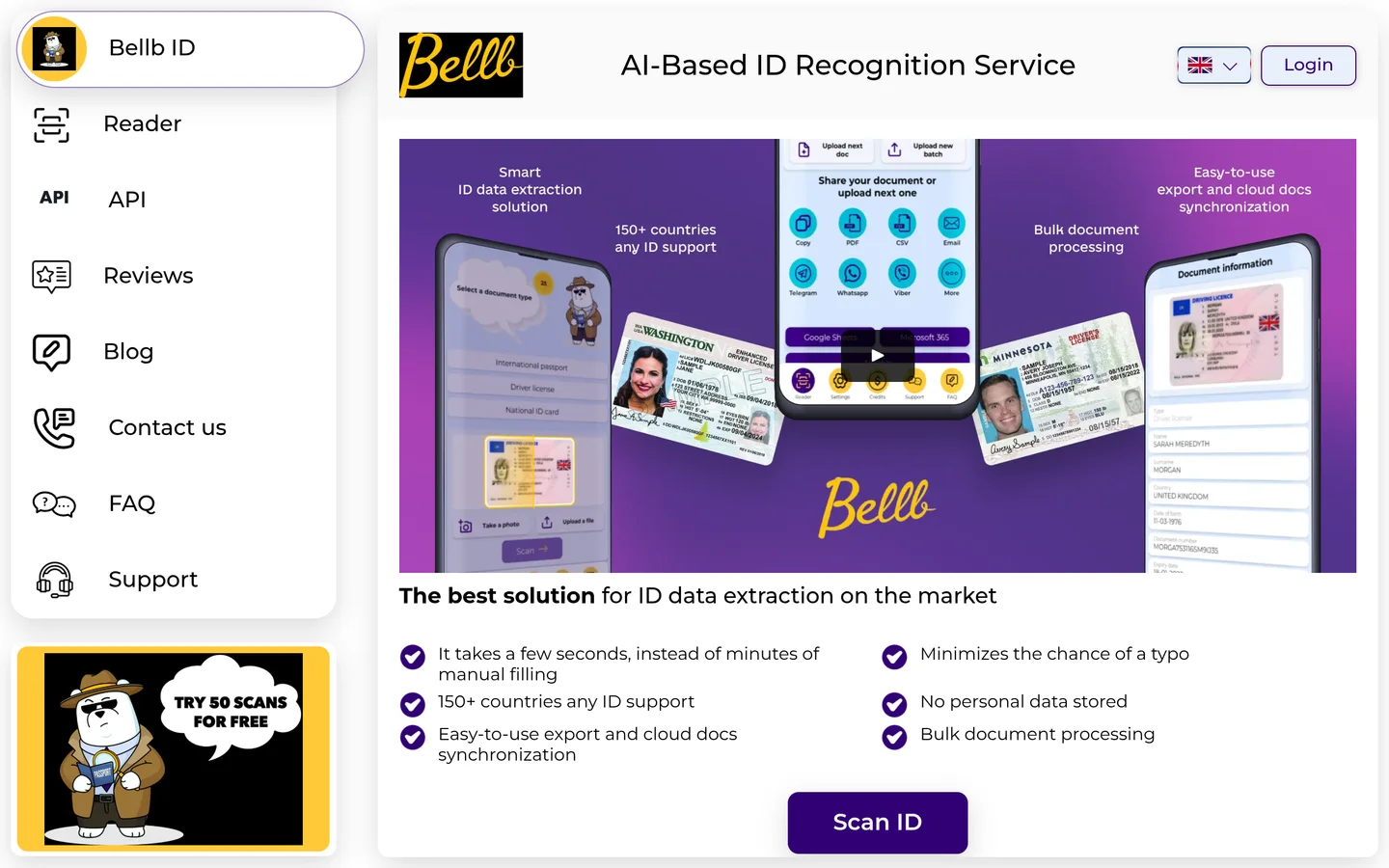
Bellb ID
Scans passports, ID cards and driving licences to extract document details for reuse or sharing.
- Built for
- People and teams that need to capture details from identity documents.
YAS helps founders turn a product hypothesis into a scoped, testable first release through research, UX and UI, architecture, implementation, launch, stabilization, and code handover. The engagement is designed to control assumptions and make tradeoffs explicit. Scope, timing, and price depend on the validated problem, required integrations, technical risk, quality requirements, and responsibility after launch.
YAS Web Studio
turns this operating logic into working software. Explore what we build, the workflow library and the system architecture.

Researching the Product Hypothesis
An MVP development cycle begins with research and product scoping. We analyze the core problem the product aims to solve, focusing on identifying the primary user persona and the single most critical action they must take to find value. We avoid building features based on untested assumptions, choosing instead to focus on the core user journey.
This research phase helps us establish a baseline of existing manual workflows or alternative solutions. By understanding how users currently solve the problem, we can design a digital alternative that offers a clear improvement without unnecessary complexity. This step is crucial for aligning the product strategy with actual market needs.
We also evaluate the technical feasibility of the proposed solution during this early stage. This involves identifying potential technical bottlenecks, data dependency issues, or third-party platform limitations that could impact the development timeline. By addressing these factors during research, we can make informed decisions about what to include in the initial scope.
- Identify the primary user persona
- Map existing manual workflows
- Define the core product hypothesis
Defining and Scoping the Core Value Loop
Scoping is the process of setting hard boundaries. We work with founders to identify the minimum set of features required to test the core hypothesis. This means saying no to secondary features like advanced notification settings, complex user roles, or deep reporting dashboards in the first release.
We focus on the core value loop. For a SaaS product, this might be the ability to upload a document and receive an automated analysis. For a portal, it might be securely viewing specific account data. By keeping the scope tight, we reduce development risk and accelerate the timeline to launch, allowing you to gather real user feedback sooner.
Managing scope requires explicit tradeoff discussions. When new feature ideas arise, we evaluate them against the primary validation metric. If a feature does not directly contribute to testing the core hypothesis, it is deferred to post-launch iterations. This disciplined approach ensures that resources are allocated efficiently and that the project remains focused on validation.
- Eliminate non-essential features
- Focus on the primary value loop
- Reduce technical complexity
UX and UI Design for Validation
Design for an MVP is not about decorative visuals; it is about clarity and usability. Our UX and UI design process focuses on guiding the user through the core value loop with as little friction as possible. We start with low-fidelity wireframes to map the user journey and ensure the logical flow makes sense.
Once the user flow is validated, we create high-fidelity designs. We use clean, functional interfaces that look professional and build trust with early adopters. The goal is to make the product feel intuitive so that user testing feedback focuses on the value of the solution rather than confusion over how to use the interface.
We also ensure that the design is practical to implement. By using standard design patterns and component libraries where appropriate, we reduce the front-end development effort. This collaborative approach between design and engineering ensures that the visual interface is both highly functional for users and efficient for developers to build.
- Create low-fidelity wireframes
- Design intuitive user interfaces
- Focus on user trust and clarity
Technical Architecture and Technology Selection
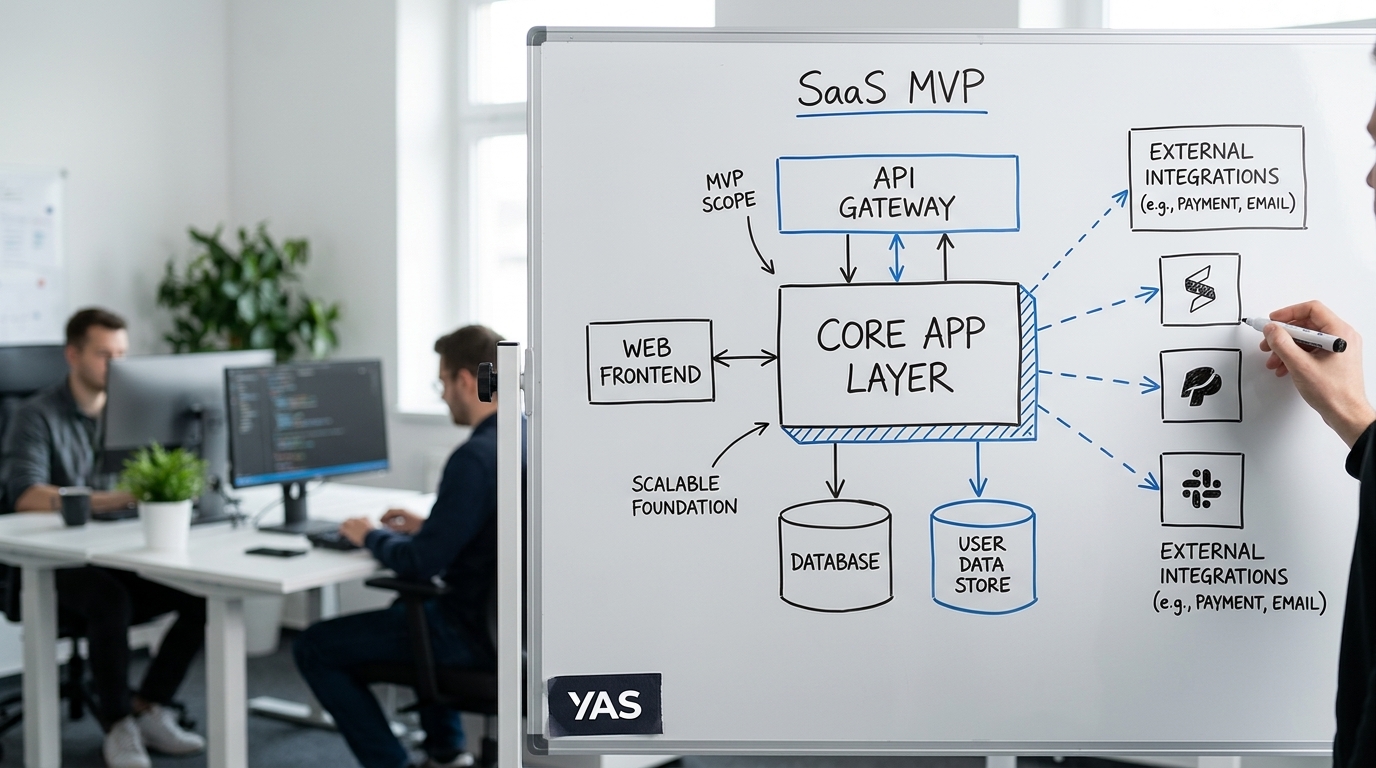
A solid technical architecture is critical to avoid immediate technical debt, but it must not be over-engineered. We design the architecture based on your specific requirements, focusing on security, data integrity, and ease of deployment. We select technologies that allow for rapid iteration without locking you into proprietary systems.
Whether we are building web applications, internal tools, portals, or SaaS products, we map out the data models and external integrations early. This step ensures that the system can handle initial user traffic stably while remaining flexible enough to adapt when user feedback requires a pivot in functionality.
We prioritize standard, well-documented technologies and frameworks over experimental ones. This choice ensures that the codebase remains maintainable and that future developers can easily understand the system structure. We also define the hosting and deployment environment early to ensure a smooth transition from development to production.
- Select flexible and open technologies
- Map data models and integrations
- Design for security and stability

MVP Development and Implementation
During the development phase, our engineering team writes clean, maintainable code based on the approved designs and architecture. We work in structured milestones, allowing you to see progress and test functional builds in a staging environment. This iterative approach ensures that any technical challenges are identified and addressed early.
We focus on core functionality, integrating essential third-party services such as authentication providers or payment gateways. By using established APIs and services, we avoid rebuilding standard utilities from scratch, keeping the focus entirely on the unique value proposition of your product.
Our development process includes basic automated testing for critical paths to prevent regressions as the codebase evolves. We maintain a clear separation of concerns in the code, making it easier to modify or expand features in the future. This disciplined engineering approach ensures a stable foundation for your initial launch.
- Write clean and maintainable code
- Use structured development milestones
- Integrate essential third-party APIs
Launching to the Target Audience
The launch of an MVP is a controlled event, not a massive public marketing campaign. We help you deploy the application to a live environment and configure the necessary infrastructure. The goal is to get the product into the hands of a small, targeted group of early users who are experiencing the specific problem you are solving.
We set up basic analytics and feedback loops during this stage. This allows you to observe how users interact with the application in the real world. The data gathered during this initial launch phase is invaluable for determining whether the product hypothesis is correct or if adjustments are needed.
A successful launch requires careful configuration of domain names, SSL certificates, and environment variables. We manage these technical details to ensure that the application is secure and accessible to your target audience. This controlled launch approach minimizes operational risk and allows for structured feedback collection.
- Deploy to a live environment
- Target a specific group of early users
- Set up basic analytics and feedback loops
Post-Launch Stabilization and Monitoring
Immediately after launch, software often requires stabilization. We monitor the application for any unexpected errors, performance bottlenecks, or usability issues that arise in the live environment. This stabilization period ensures that early users have a reliable experience, which is critical for gathering accurate feedback.
We address critical bugs and ensure the system remains stable under initial user loads. This phase is not about adding new features; it is about ensuring the features we did build work reliably. This focus on stability helps preserve the integrity of your user testing and protects your brand reputation.
We implement basic monitoring and logging tools to track system performance and error rates in real time. This technical oversight allows us to identify and resolve issues before they impact a significant portion of your user base. Stabilization is a critical bridge between initial deployment and long-term product ownership.
- Monitor for unexpected errors
- Address critical post-launch bugs
- Ensure system stability under initial load
Code Handover and Ownership Transfer
We do not believe in vendor lock-in. Once the MVP is launched and stabilized, we conduct a thorough code handover. This process ensures that your team or future developers can easily take over the codebase. We provide complete access to the code repositories, deployment configurations, and technical documentation.
Our handover process includes a walkthrough of the architecture, database schemas, and key integration points. We want to ensure that you have full ownership and control of your intellectual property, giving you the freedom to scale the product, hire an internal team, or transition to a different partner when the time is right.
We document the setup procedures, environment variables, and third-party service credentials required to run and deploy the application. This comprehensive documentation reduces the onboarding time for new developers and ensures that you are not dependent on a single external partner for future updates.
- Provide full repository access
- Deliver technical documentation
- Conduct architecture walkthrough
Cost inputs and limitations
We do not offer unlimited scope, nor do we guarantee product-market fit, funding, or business growth. An MVP is an experimental tool designed to test a specific business hypothesis. The success of the product depends heavily on market conditions, your distribution strategy, and user adoption, which are outside our control.
Furthermore, we cannot guarantee delivery times or pricing before a formal scoping phase has been completed. The cost and timeline of an MVP are directly influenced by several inputs: the validation status of your product hypothesis, the complexity of required integrations, technical risks, specific quality requirements, and the level of post-launch responsibility you require from our team.
We do not build highly complex systems designed for infinite scale without defined requirements, as this leads to unnecessary overhead. It is the client's responsibility to validate the initial business demand and manage user acquisition. We provide the technical execution, stabilization, and handover to support your validation process.
- No guarantee of product-market fit
- Pricing depends on scoping phase
- Client handles user acquisition
| MVP Type | Primary Focus | Key Validation Metric | Common Integrations |
|---|---|---|---|
| SaaS Products | Core workflow execution | User retention on primary feature | Stripe, Auth0 |
| Web Applications | User interaction and data input | Task completion rate | Database, Email API |
| Portals | Data access and secure display | Self-service usage frequency | CRM, ERP systems |
| Internal Tools | Process automation and speed | Time saved per operational task | Internal APIs, Slack |
The YAS MVP Development Sequence
- Establish a validated product hypothesis before writing any code.
- Define the absolute minimum scope required to test the core value loop.
- Create low-fidelity wireframes followed by high-fidelity UX and UI designs.
- Architect a lightweight, secure technical foundation tailored to the initial feature set.
- Develop the web application, portal, or SaaS product using iterative milestones.
- Deploy the application to a live staging environment for rigorous testing.
- Launch the MVP to a controlled group of early users while monitoring performance.
- Hand over the complete codebase and documentation to the client team.
An MVP is not a poorly built product; it is a highly focused product designed to answer a specific business question with the least amount of technical waste.
FAQ
Do you guarantee product-market fit after launch?
No, we do not guarantee product-market fit or business growth. An MVP is a tool to test hypotheses in the real market, and its success depends on market demand, positioning, and execution.
Can you provide an exact price before scoping?
No, we cannot guarantee delivery time or price before a detailed scoping phase. The cost depends on the validated problem, required integrations, and technical risks identified during initial research.
What happens to the code after the MVP is launched?
We perform a complete code handover. This means your team receives full ownership of the codebase, deployment configurations, and technical documentation.
Do you build scalable systems from day one?
We build functional, secure, and stable software, but we do not build for scalability without defined requirements. Over-engineering early on leads to unnecessary costs and slower launch times.
Can we change the scope of the MVP during development?
We do not offer unlimited scope. Changes to the scope during development will impact the timeline and cost, which we handle through explicit tradeoff discussions.
What types of products do you develop?
We focus on web applications, internal tools, portals, and SaaS products. We align the technical architecture with your specific operational needs.
What are you trying to make work?
Bring the workflow, the bottleneck or the product idea. We can start with what exists and define the next useful version.